What you study in MS Mathematics
An advanced, research-oriented subject map for MS Mathematics learners. Modules differ across universities and tracks; use the linked Library subjects to begin a verified reading path.
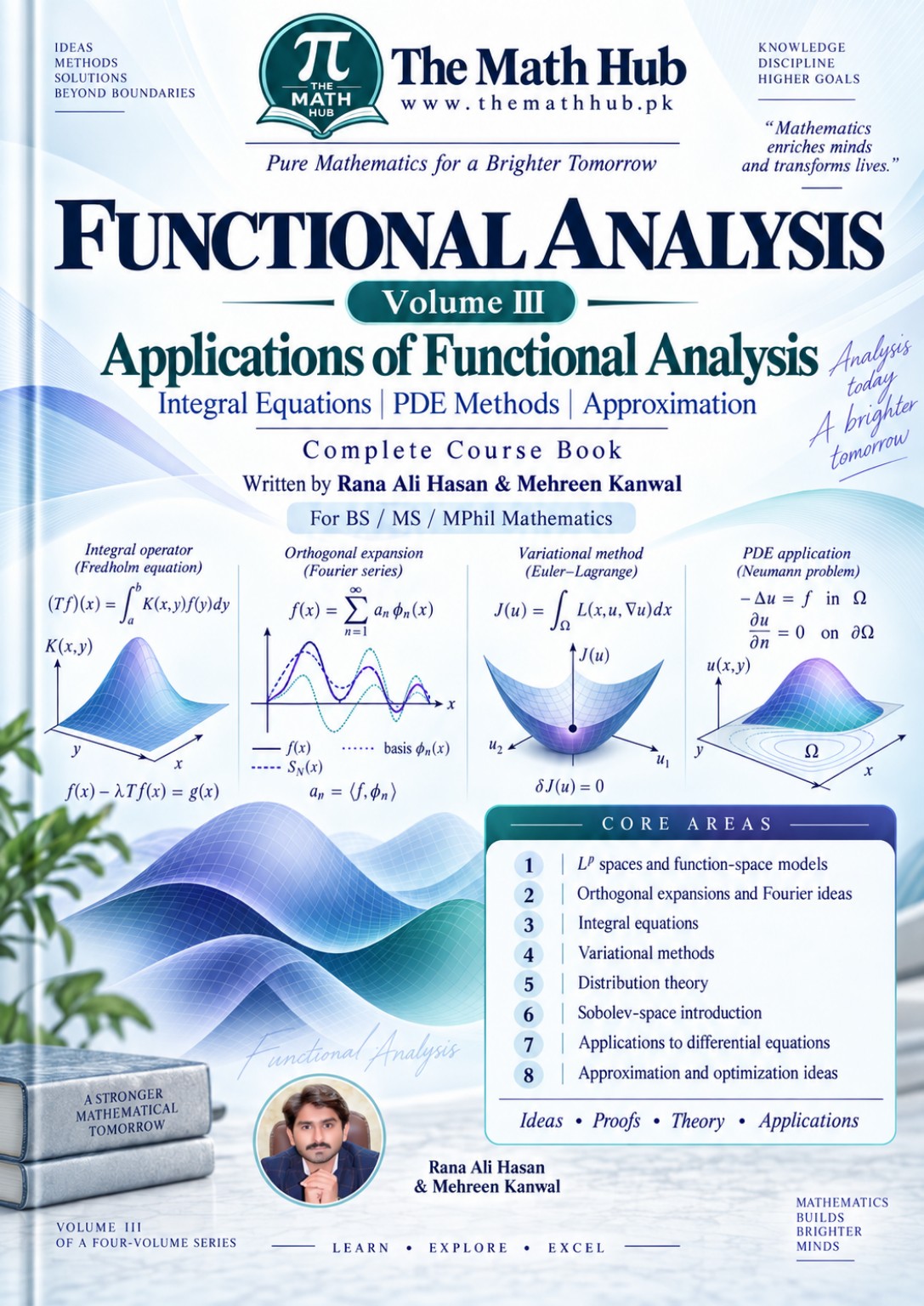
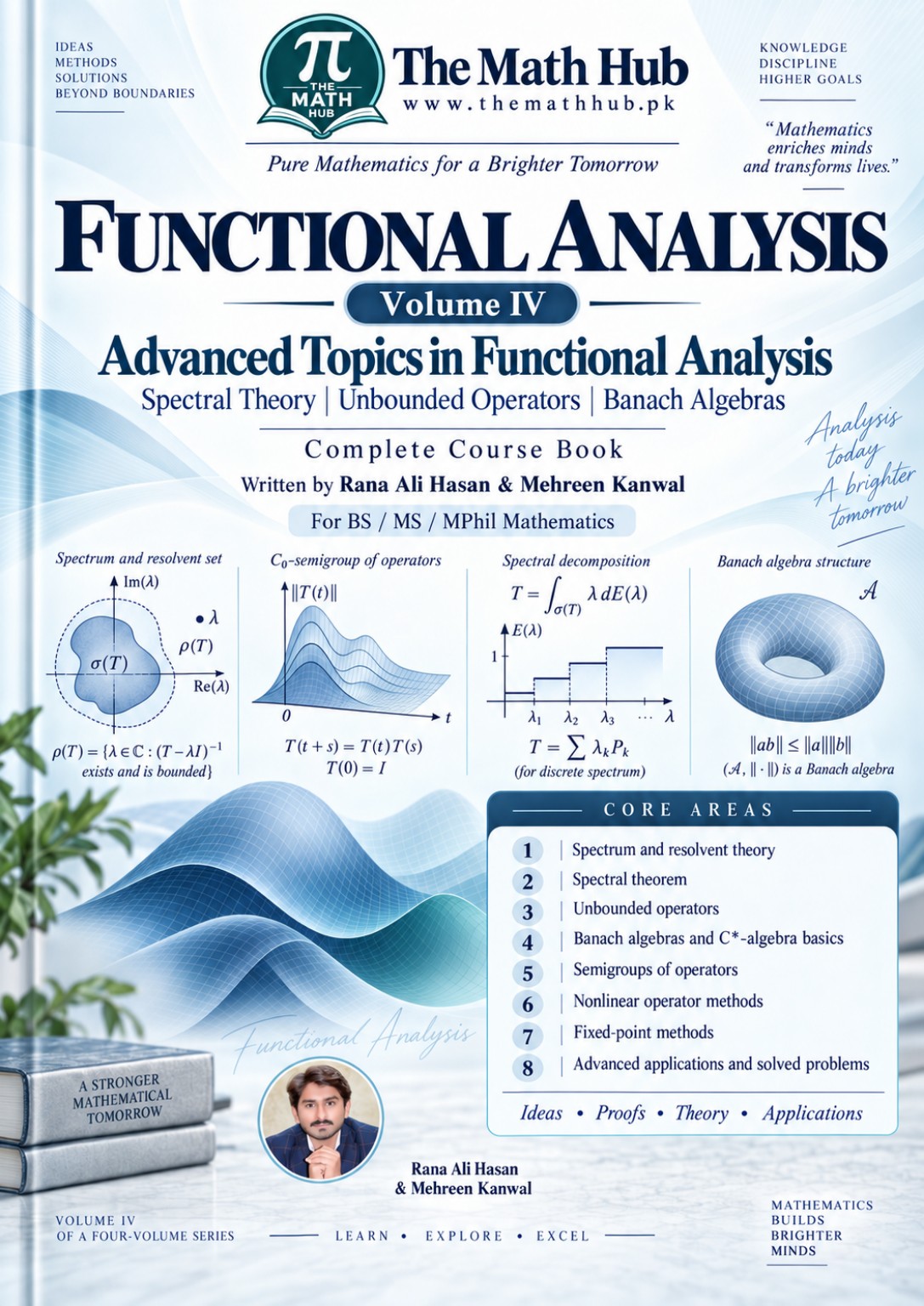
Functional and Real Analysis
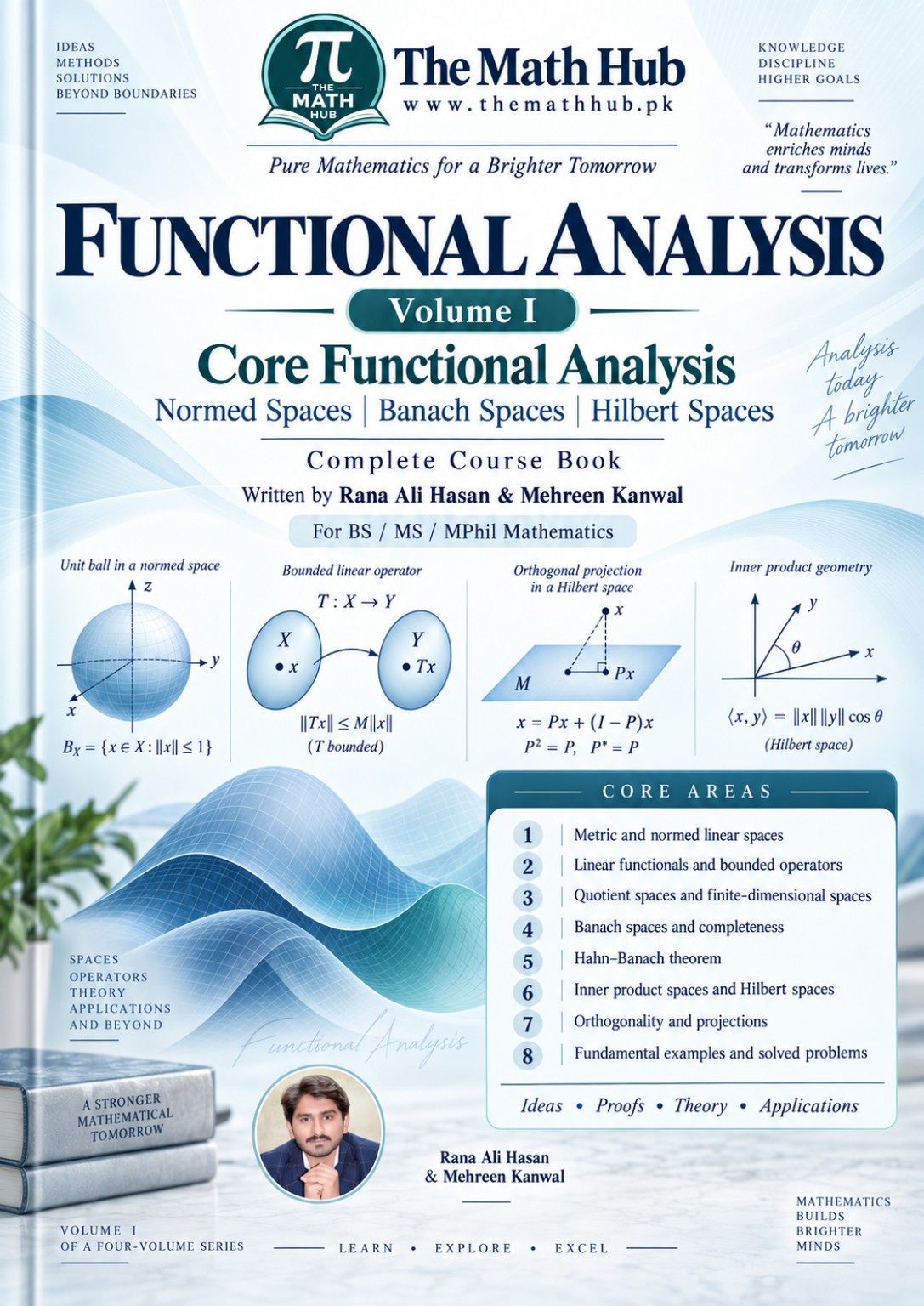
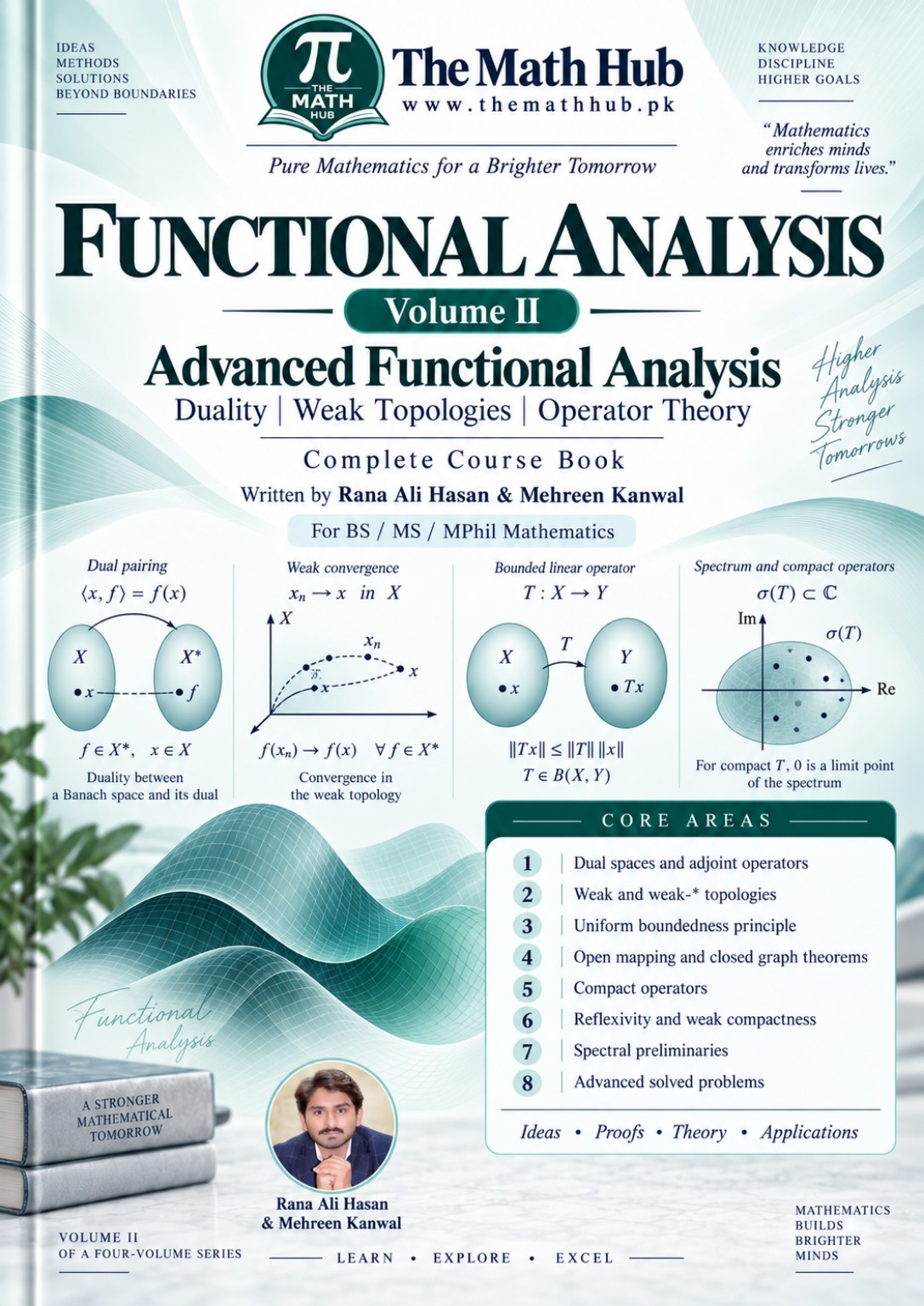
Develop rigorous tools for normed spaces, operators, measure and modern analysis. The emphasis may be theoretical, applied or computational depending on the programme, course level and learner's chosen specialization.
Browse related Library resources →Algebra and Number Theory
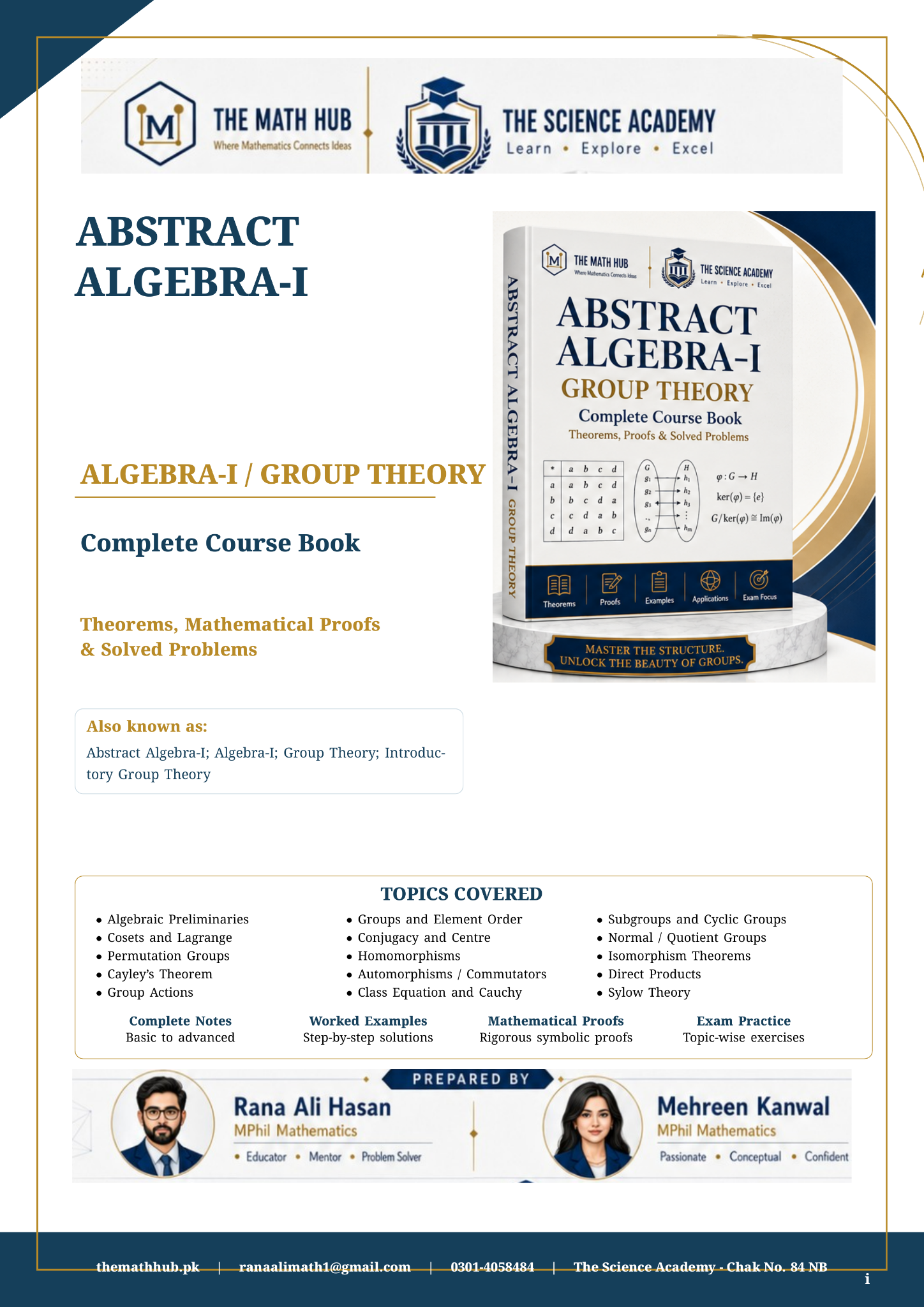
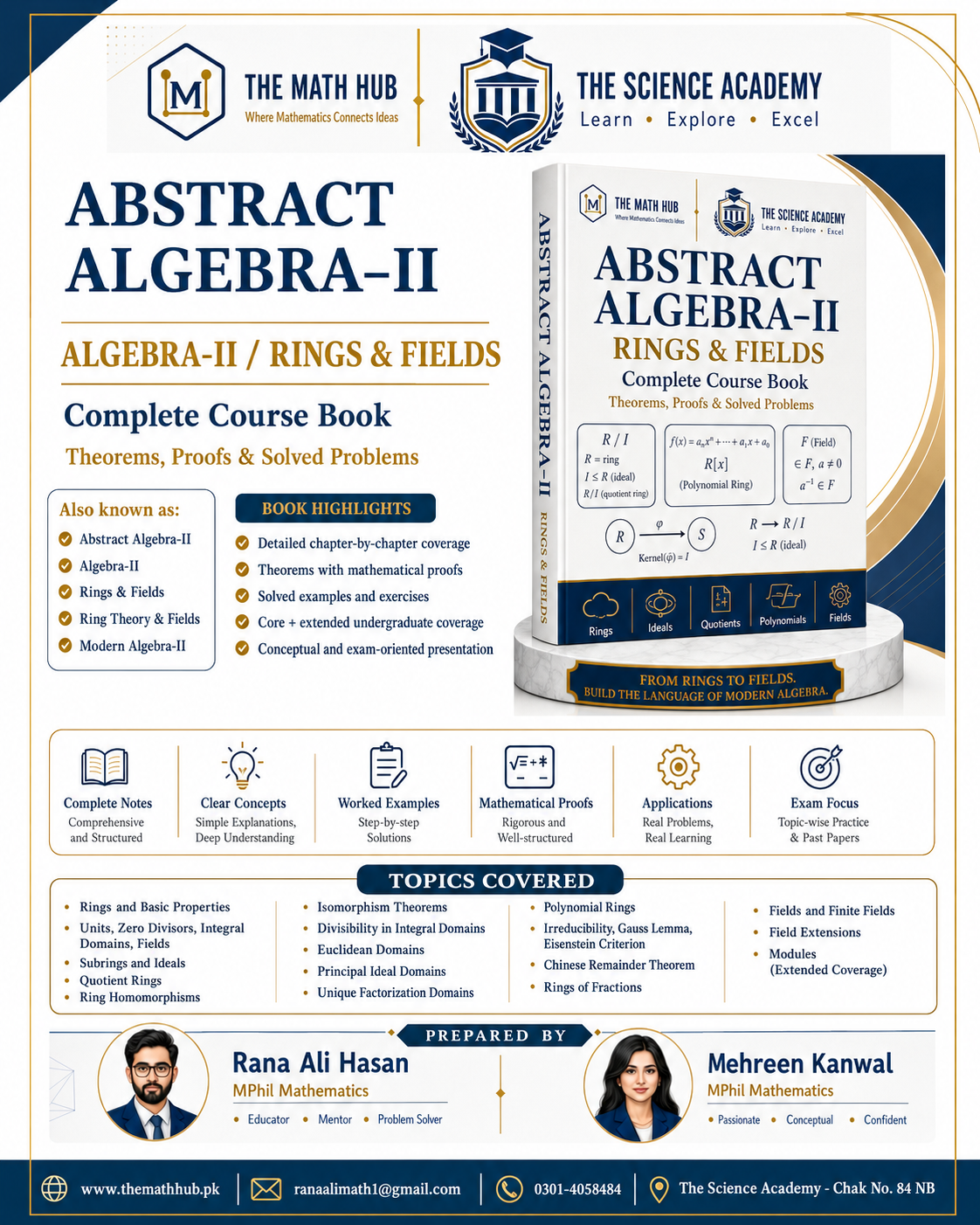
Study algebraic systems, arithmetic structure and selected topics leading toward research problems. The emphasis may be theoretical, applied or computational depending on the programme, course level and learner's chosen specialization.
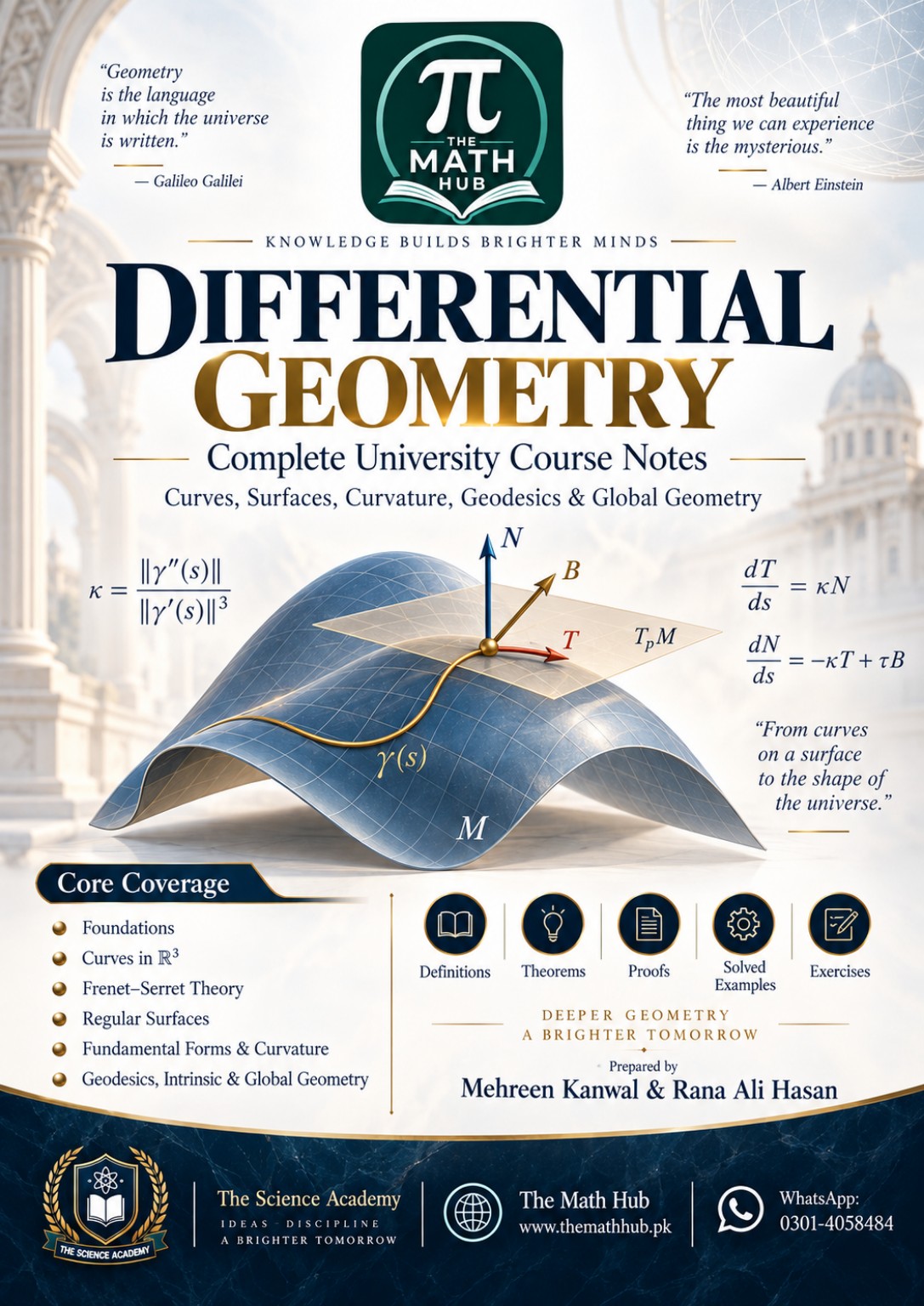
Browse related Library resources →Topology and Geometry
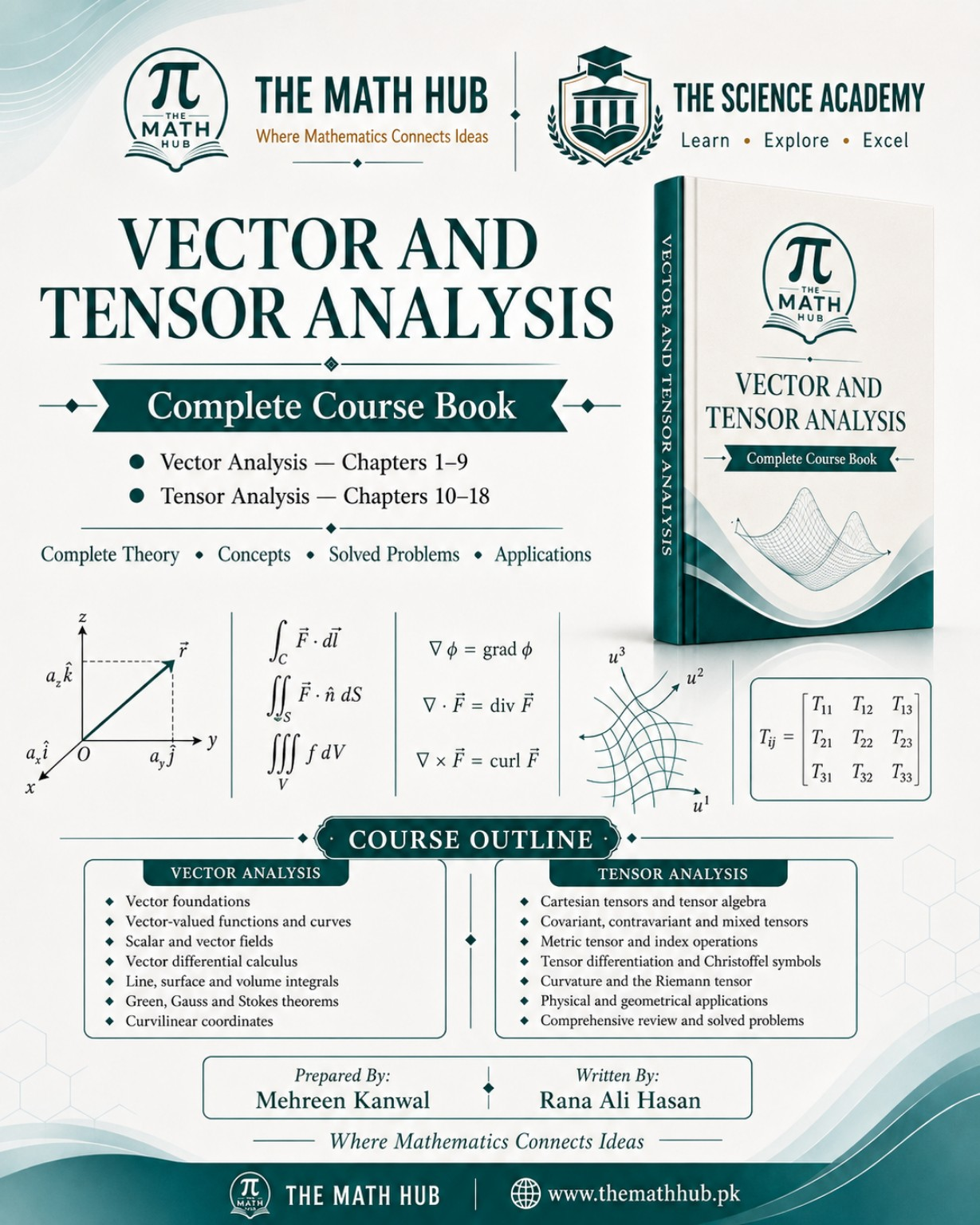
Investigate spaces, invariants, manifolds, geometric reasoning and the language of continuity. The emphasis may be theoretical, applied or computational depending on the programme, course level and learner's chosen specialization.
Browse related Library resources →PDE, Dynamical Systems and Modelling
Formulate and analyse continuous models, stability questions and evolution equations. The emphasis may be theoretical, applied or computational depending on the programme, course level and learner's chosen specialization.
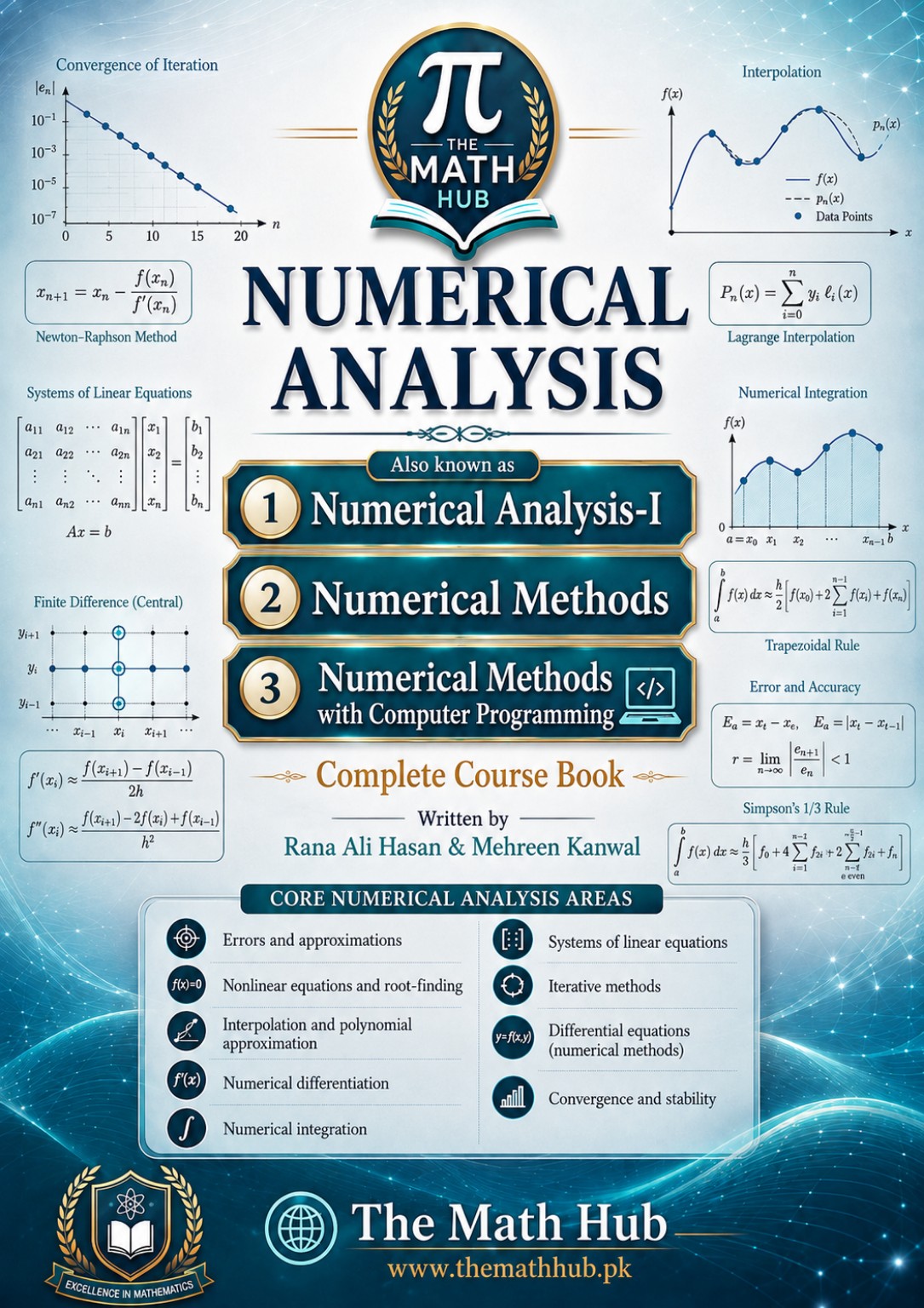
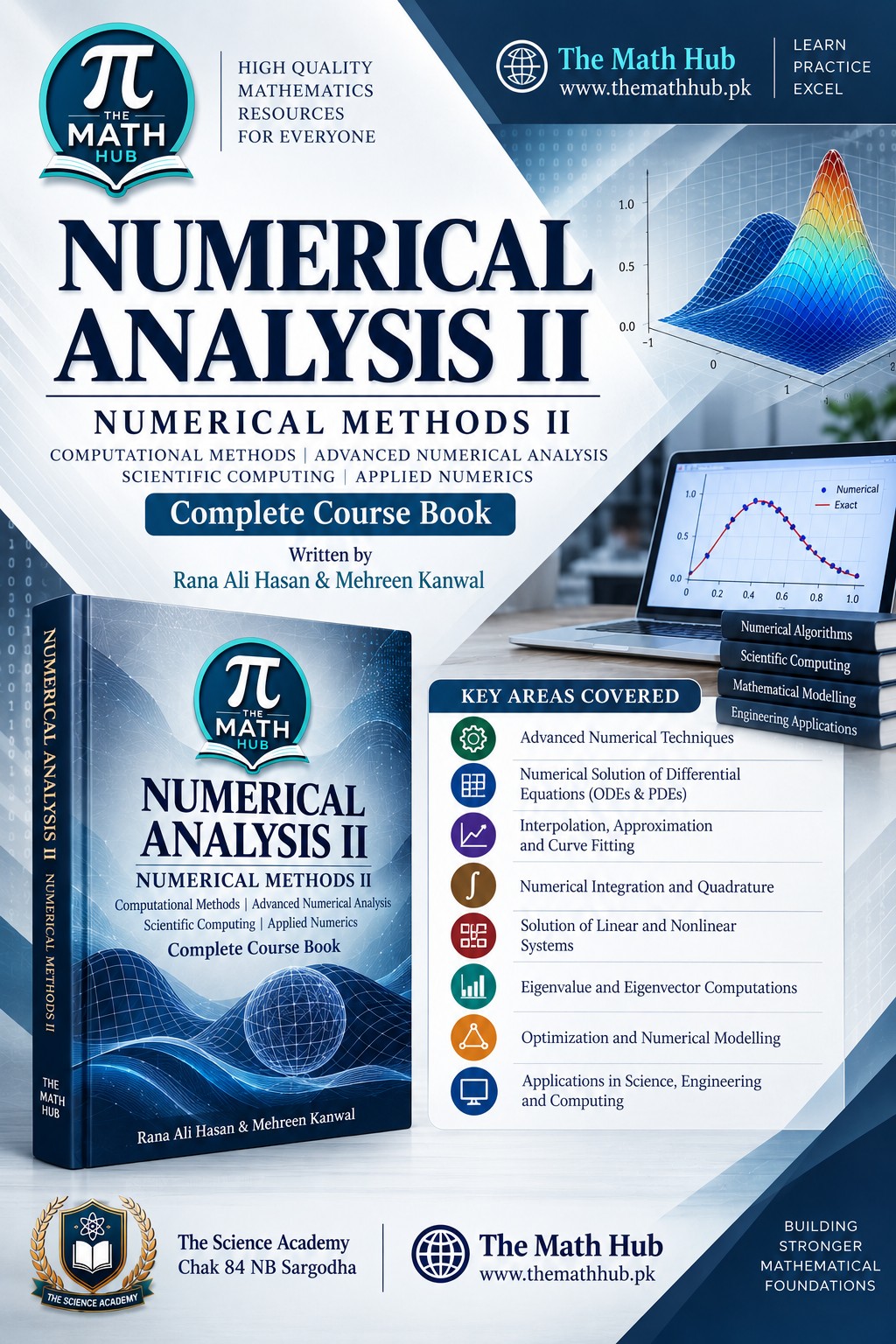
Browse related Library resources →Numerical Analysis and Optimization
Study computational approximation, convergence, optimization and reproducible numerical evidence. The emphasis may be theoretical, applied or computational depending on the programme, course level and learner's chosen specialization.
Browse related Library resources →Research Methodology and Thesis
Frame a question, review literature, document methods and present a defensible mathematical argument. The emphasis may be theoretical, applied or computational depending on the programme, course level and learner's chosen specialization.
Browse related Library resources →Which subjects are common in BS Mathematics?
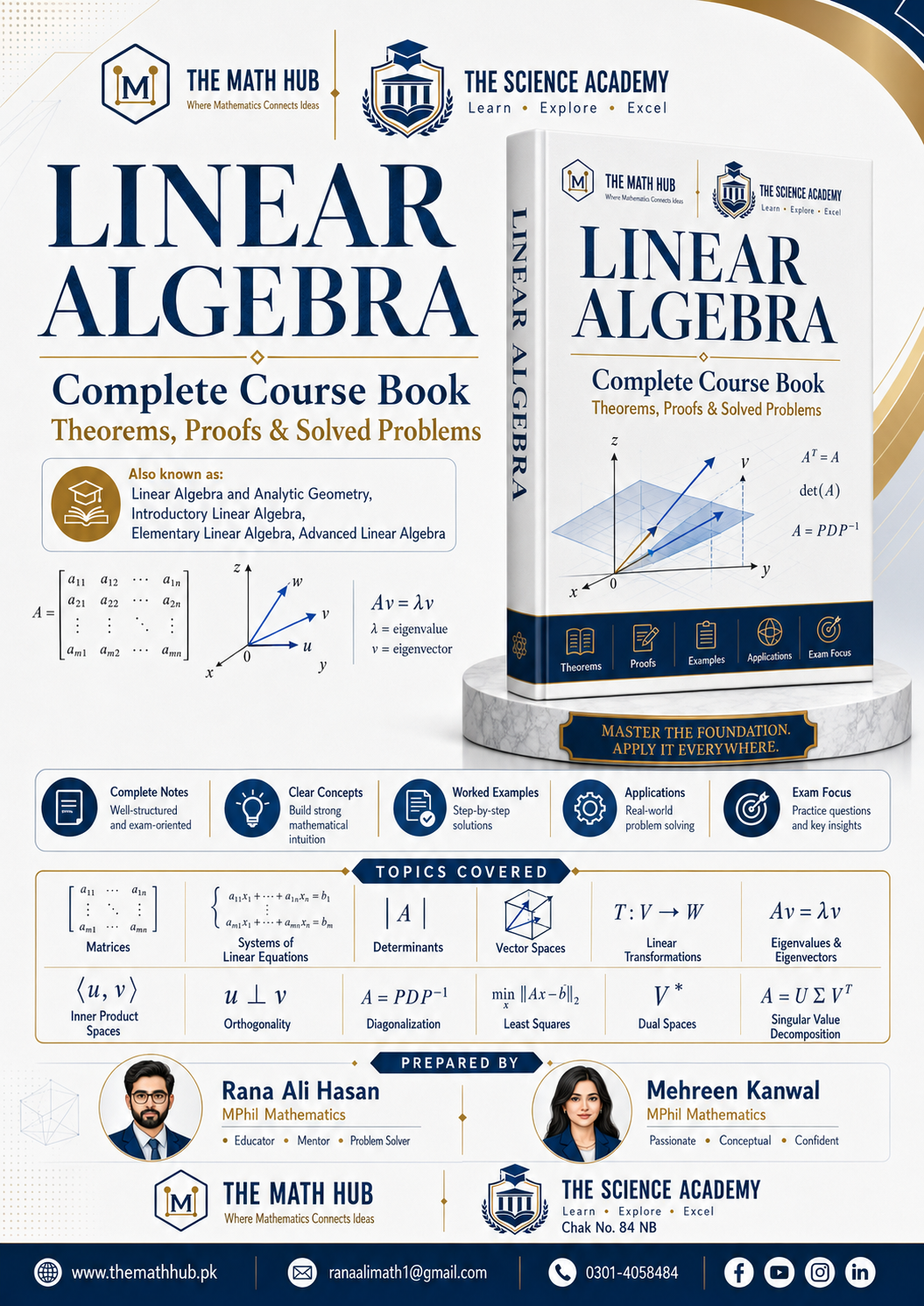
Calculus, linear algebra, discrete mathematics, analysis, algebra, differential equations, probability or statistics and computing are common subject families, but each university approves its own scheme.
What is studied in Real Analysis?
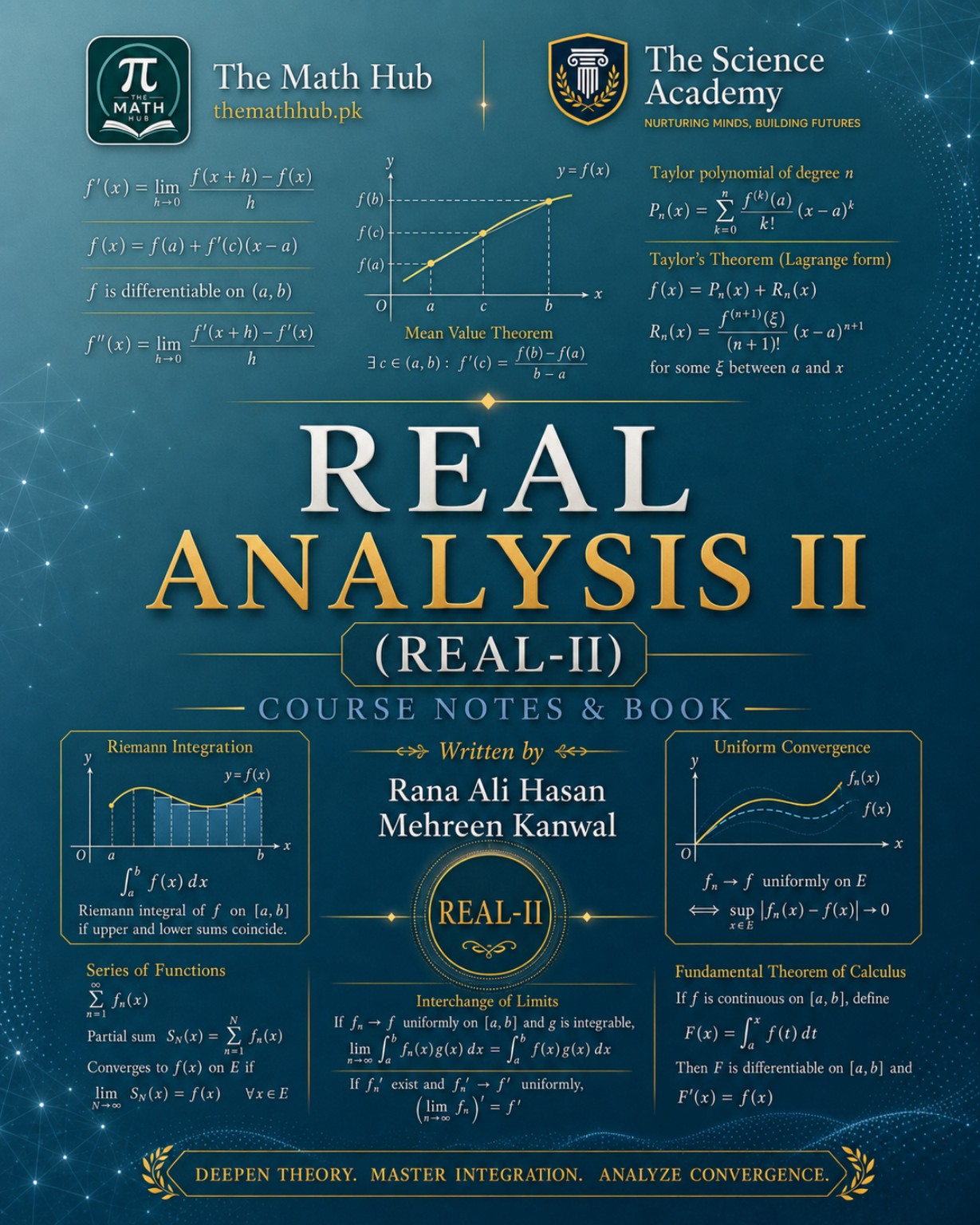
Real Analysis develops rigorous ideas of sequences, limits, continuity, convergence, differentiation, integration and the structures that support advanced mathematics.
How do MSc and MS Mathematics differ?
The distinction depends on the institution. An MSc may be course-led, while an MS is often more research-oriented; check the official programme and thesis requirements.
Where can I find research and thesis support?
Use the research Library shelf, the existing Mathematics Software & Tools page and your institution’s supervisor or research office for approved direction.