What you study in BS Mathematics
The BS pathway is presented as a structured subject map informed by current higher-education curriculum work and university schemes. It does not assert one universal semester order; always check your institution’s approved study plan.
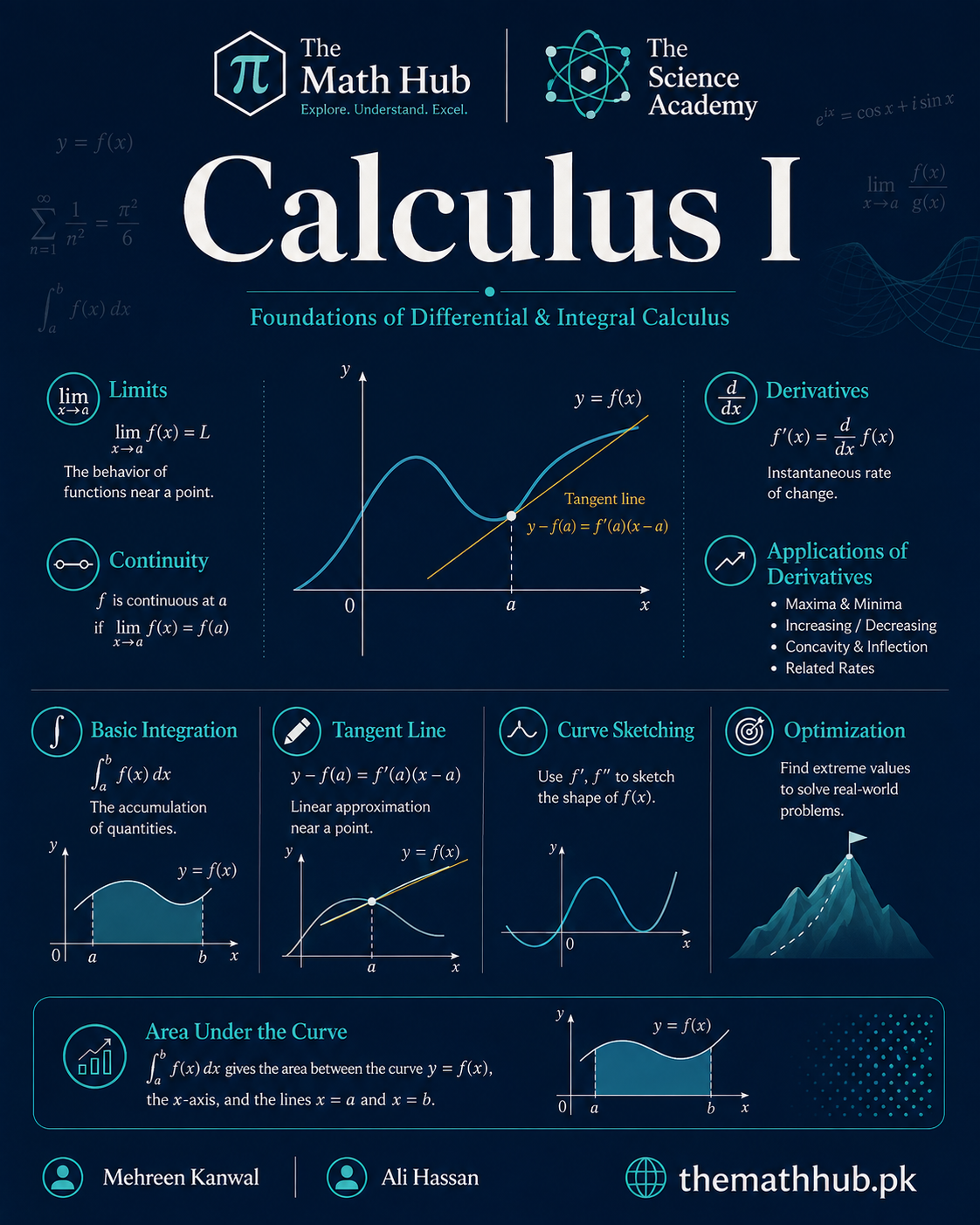
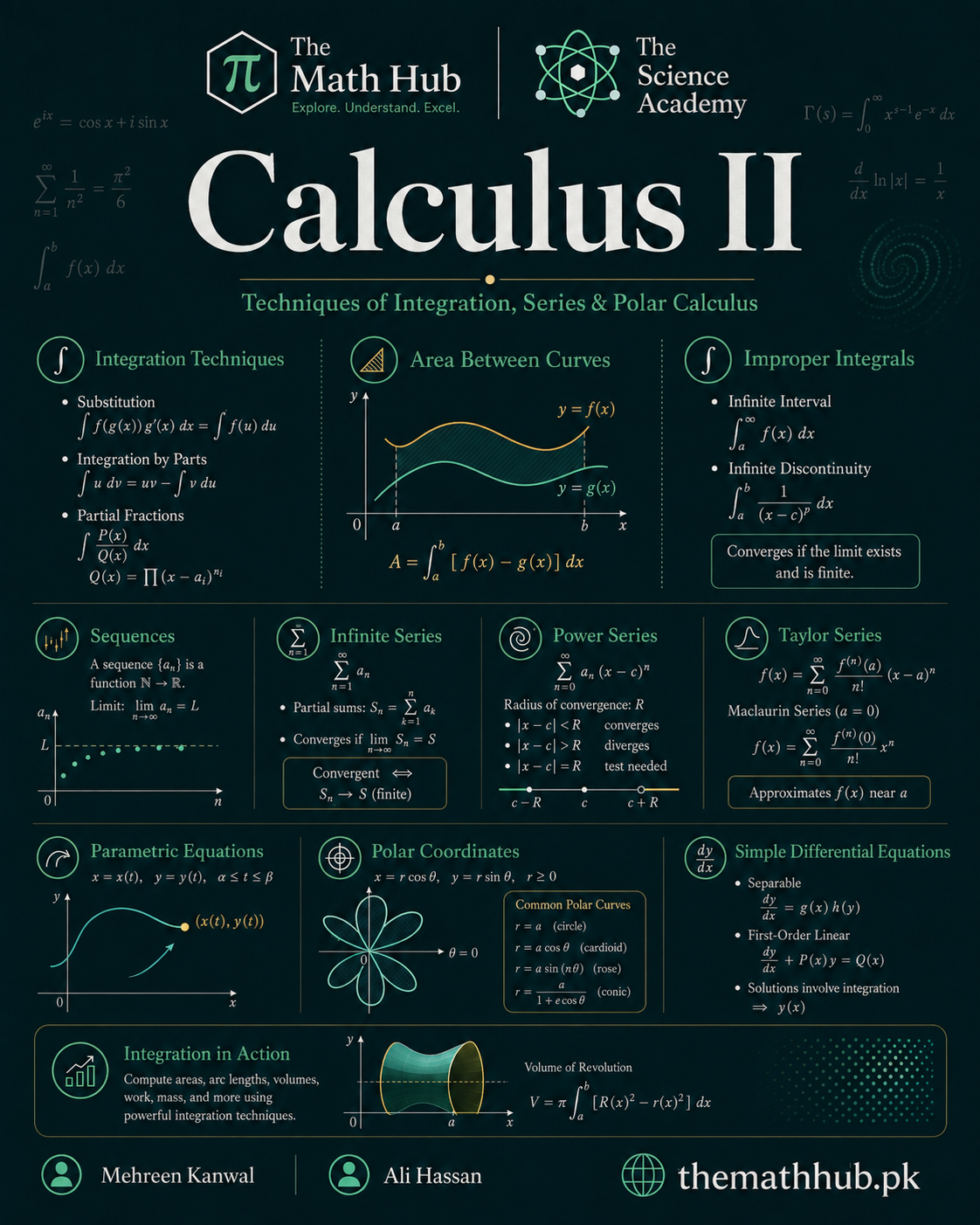
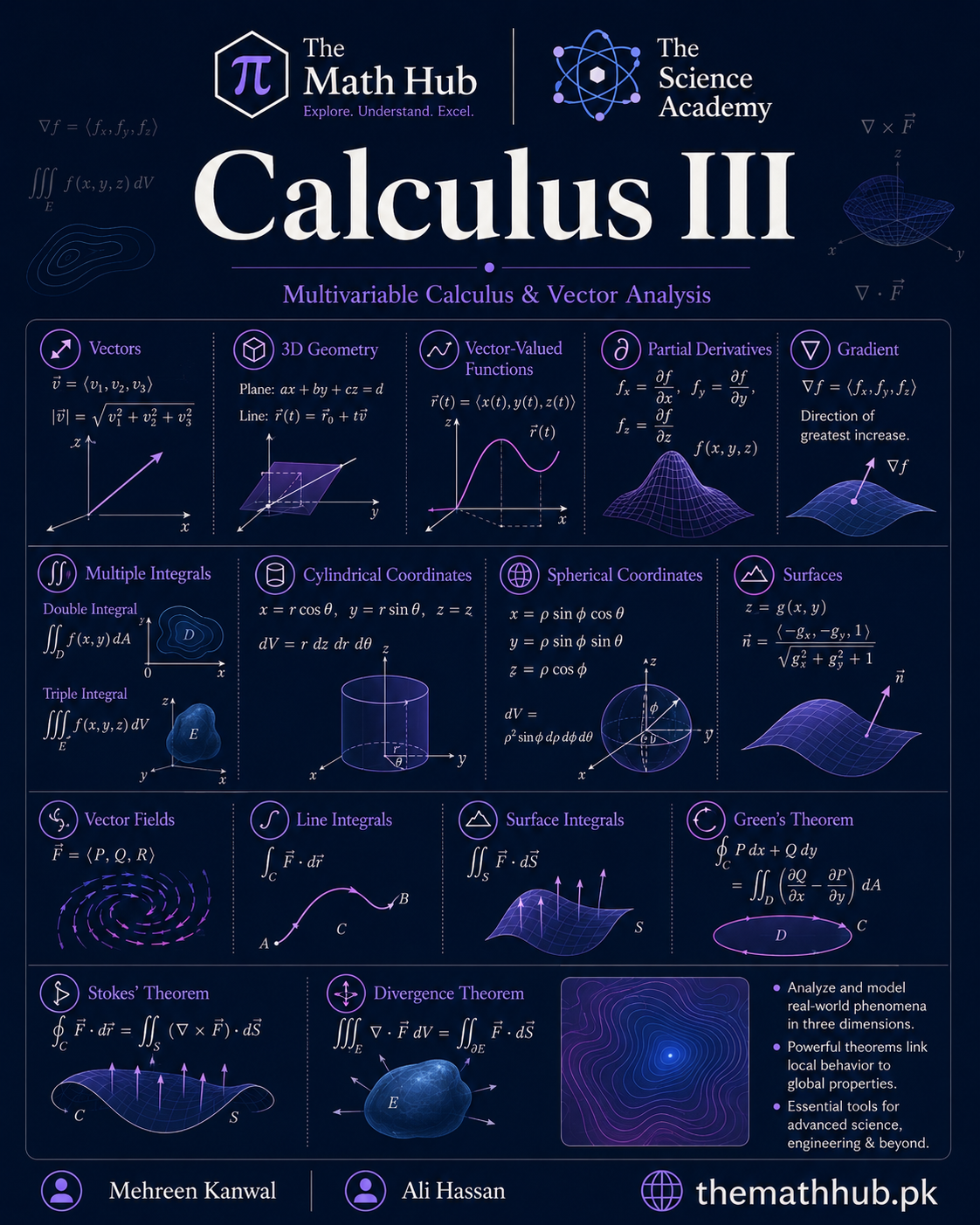
Calculus I–III
Develop single-variable and multivariable calculus through limits, differentiation, integration, sequences and series. The emphasis may be theoretical, applied or computational depending on the programme, course level and learner's chosen specialization.
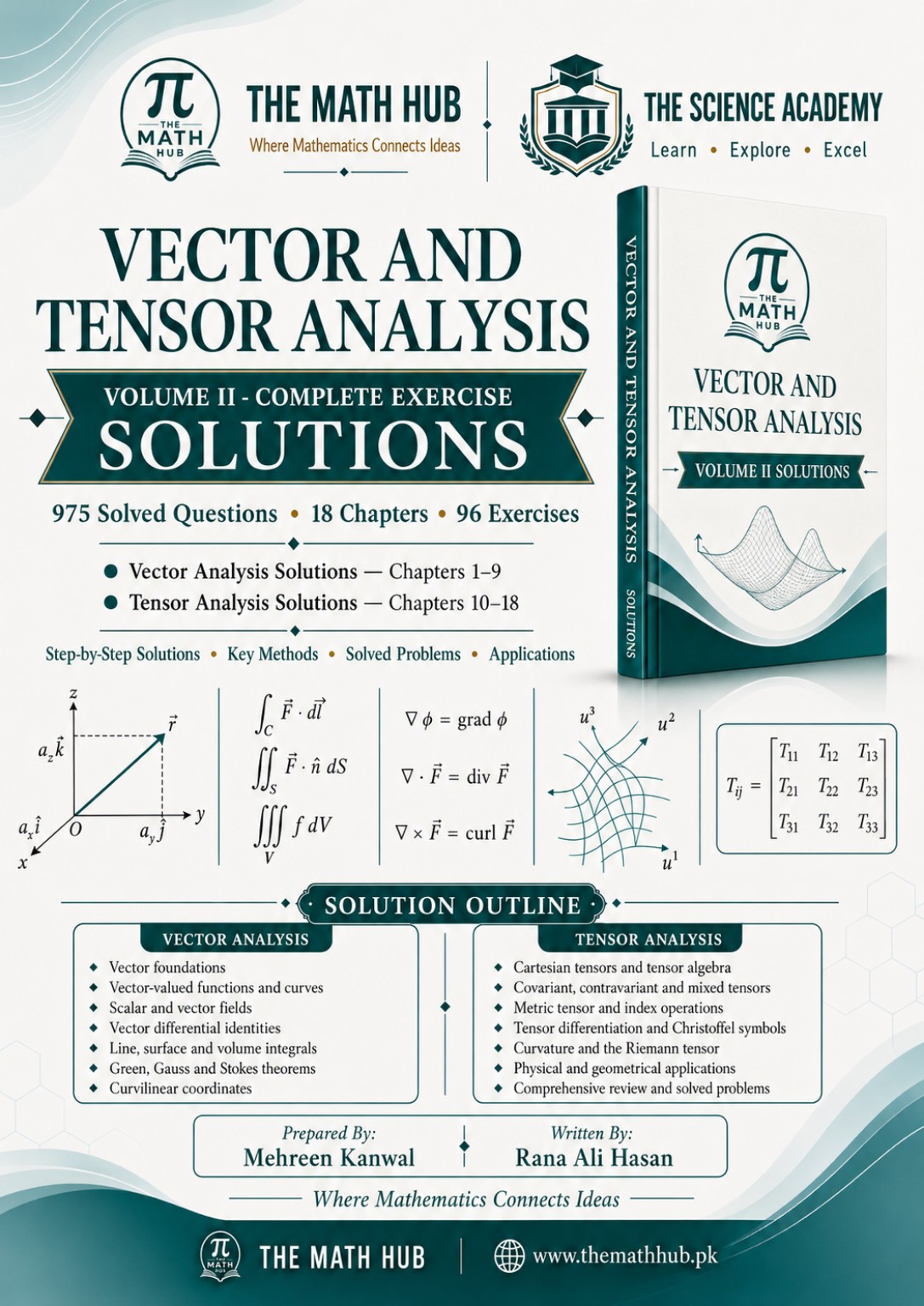
Browse related Library resources →Vector and Tensor Analysis
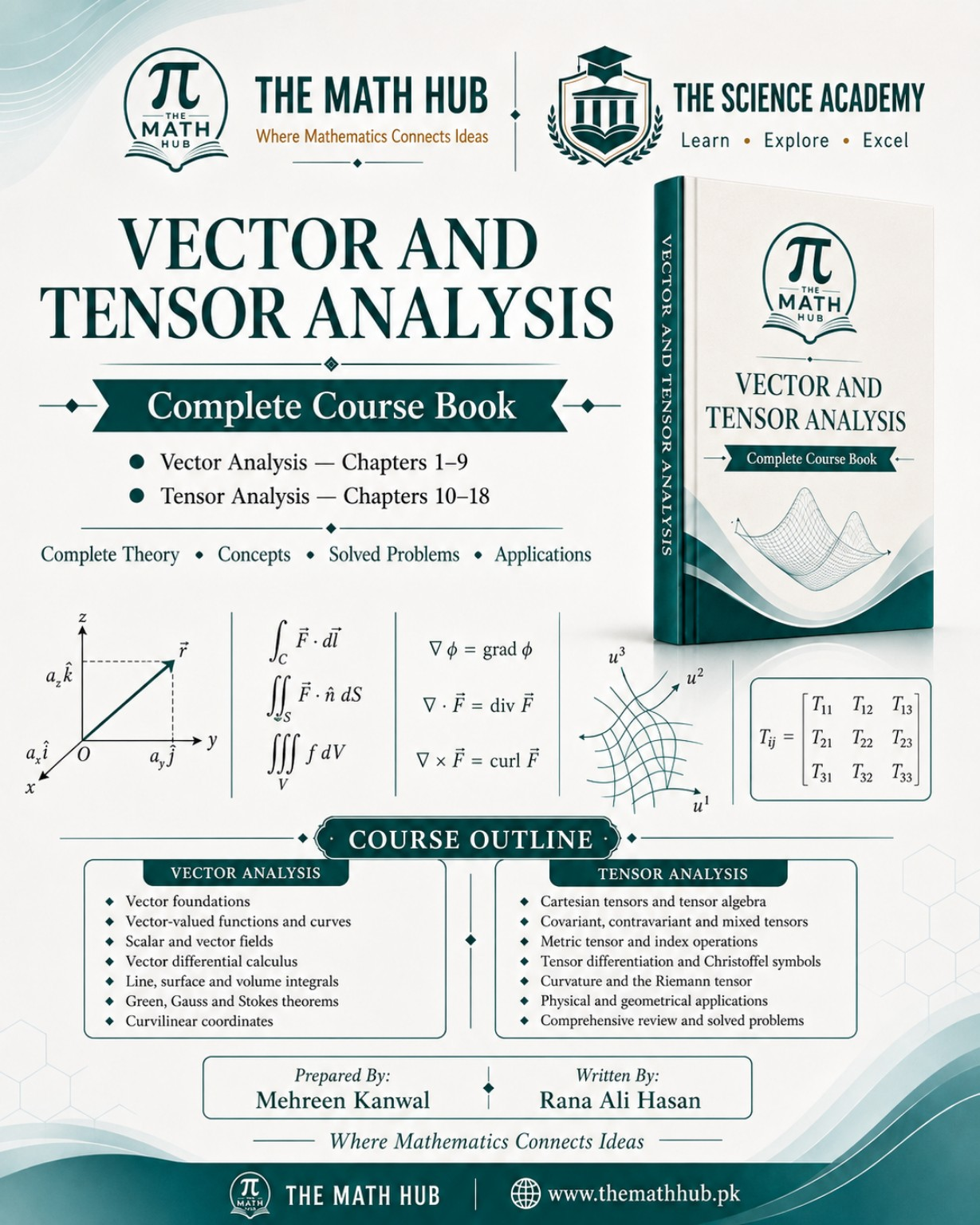
Study vector calculus, integral theorems, curvilinear coordinates, Cartesian tensors, metrics, Christoffel symbols, curvature and applications. The emphasis may be theoretical, applied or computational depending on the programme, course level and learner's chosen specialization.
Browse related Library resources →Linear Algebra and Discrete Mathematics
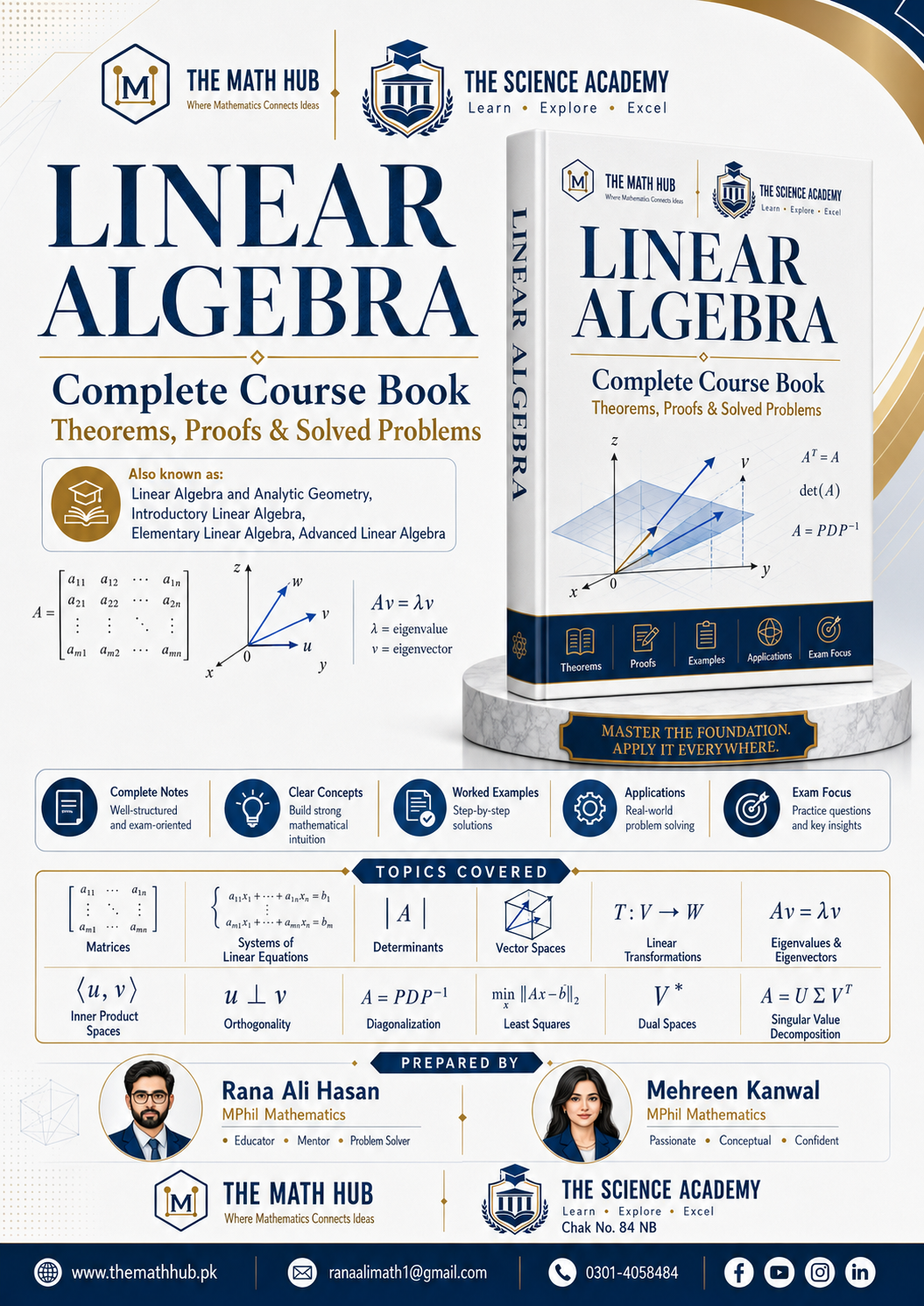
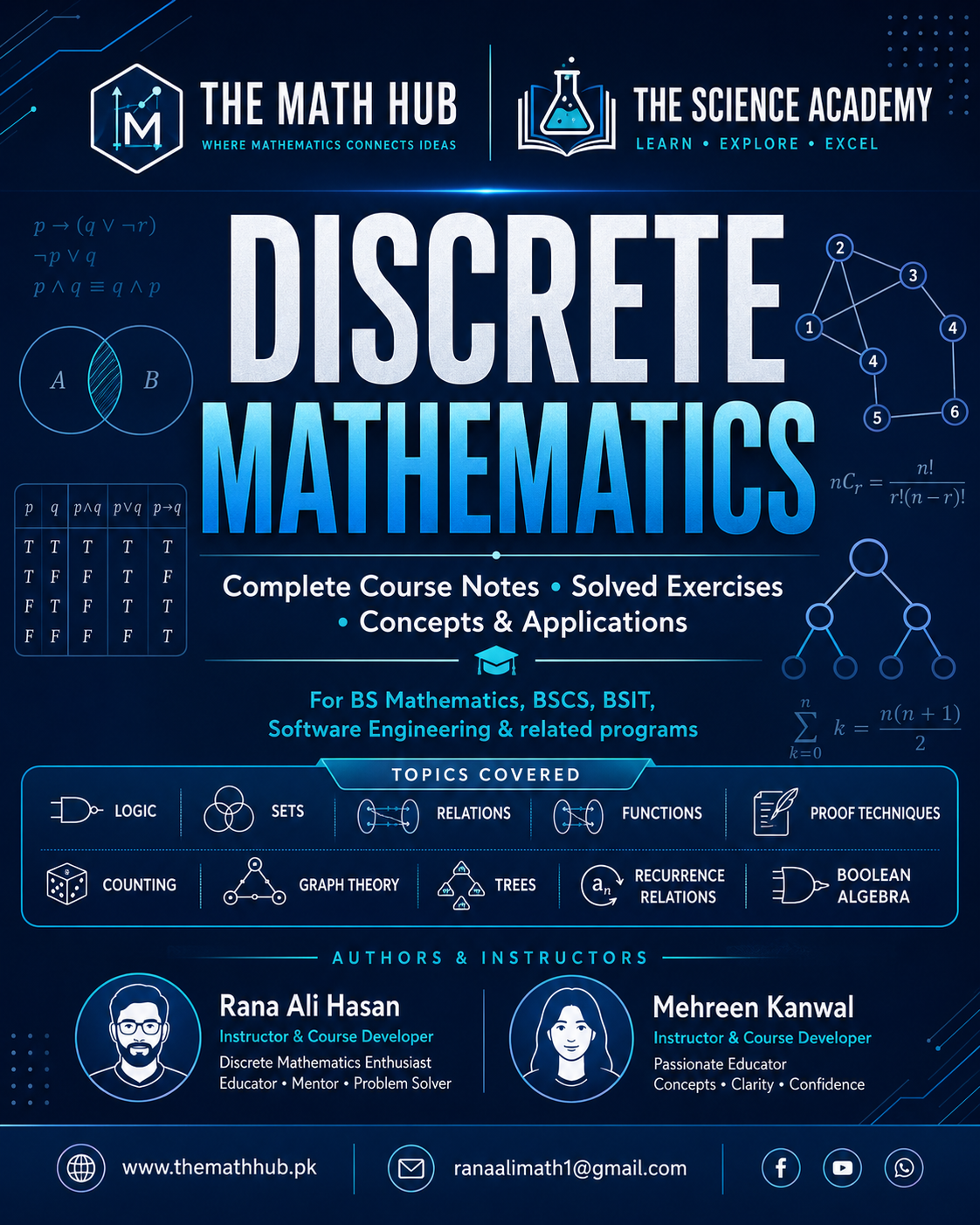
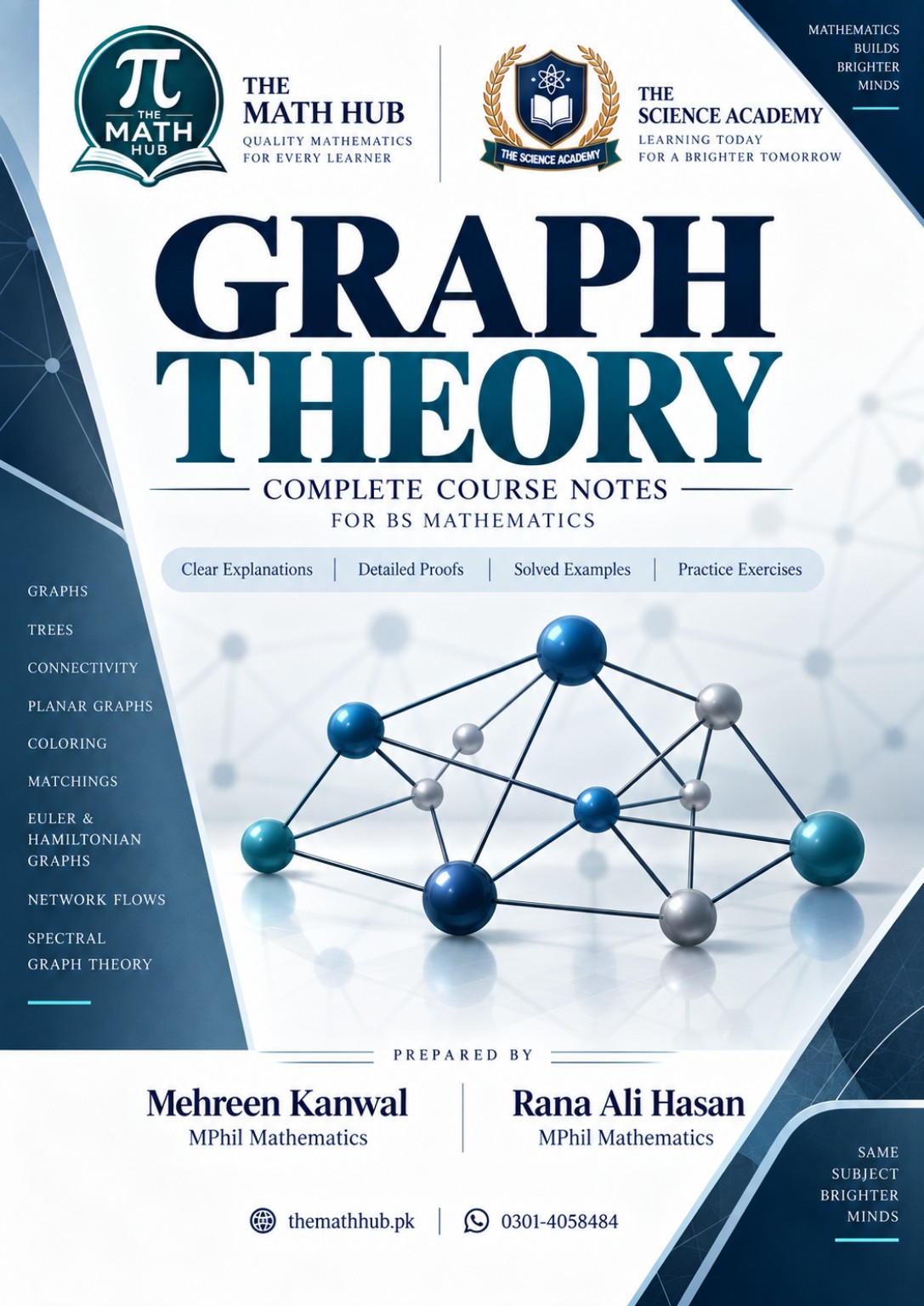
Study vector spaces, matrices, transformations, combinatorics, graphs, logic and proof-oriented discrete structures. The emphasis may be theoretical, applied or computational depending on the programme, course level and learner's chosen specialization.
Browse related Library resources →Abstract Algebra
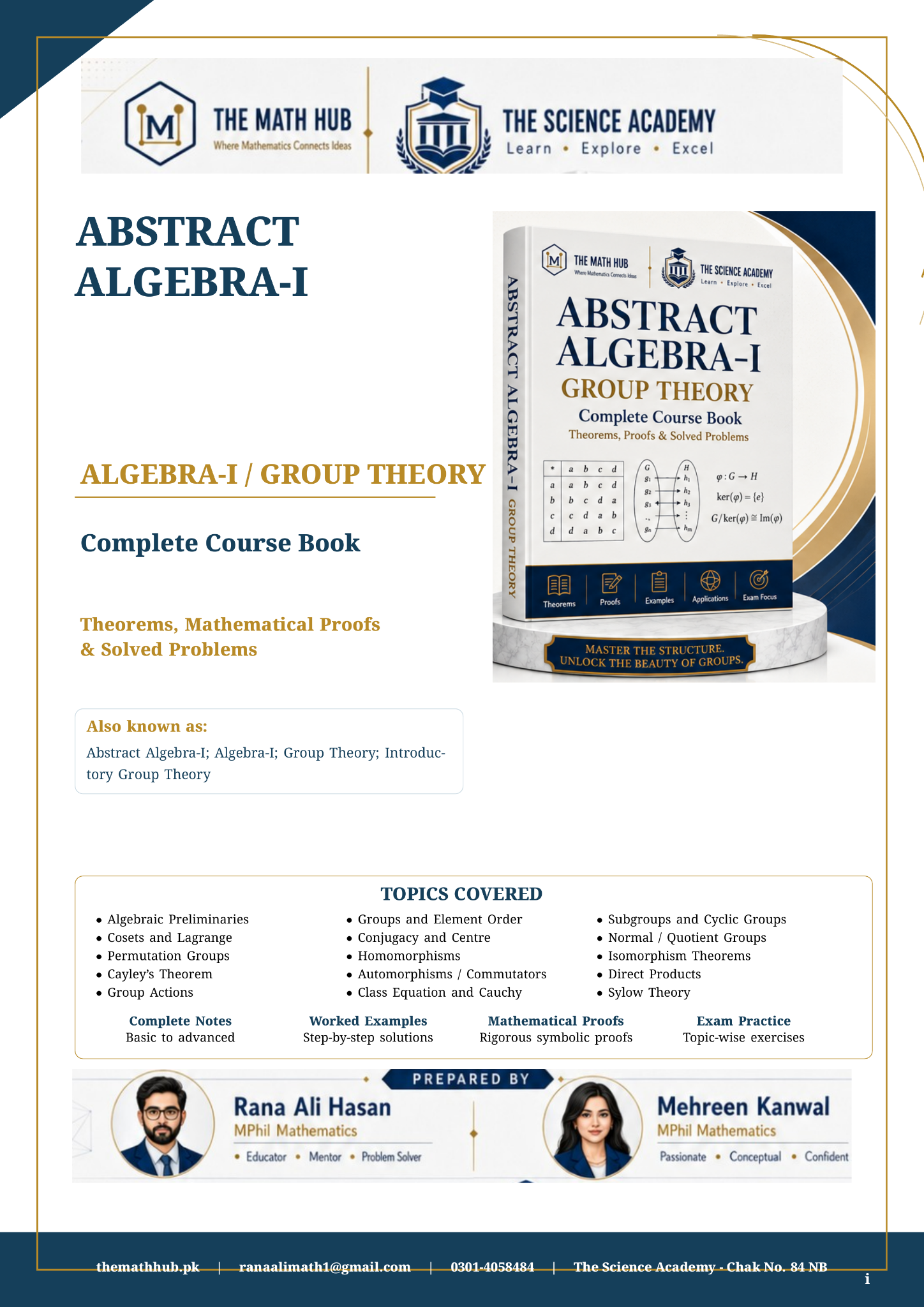
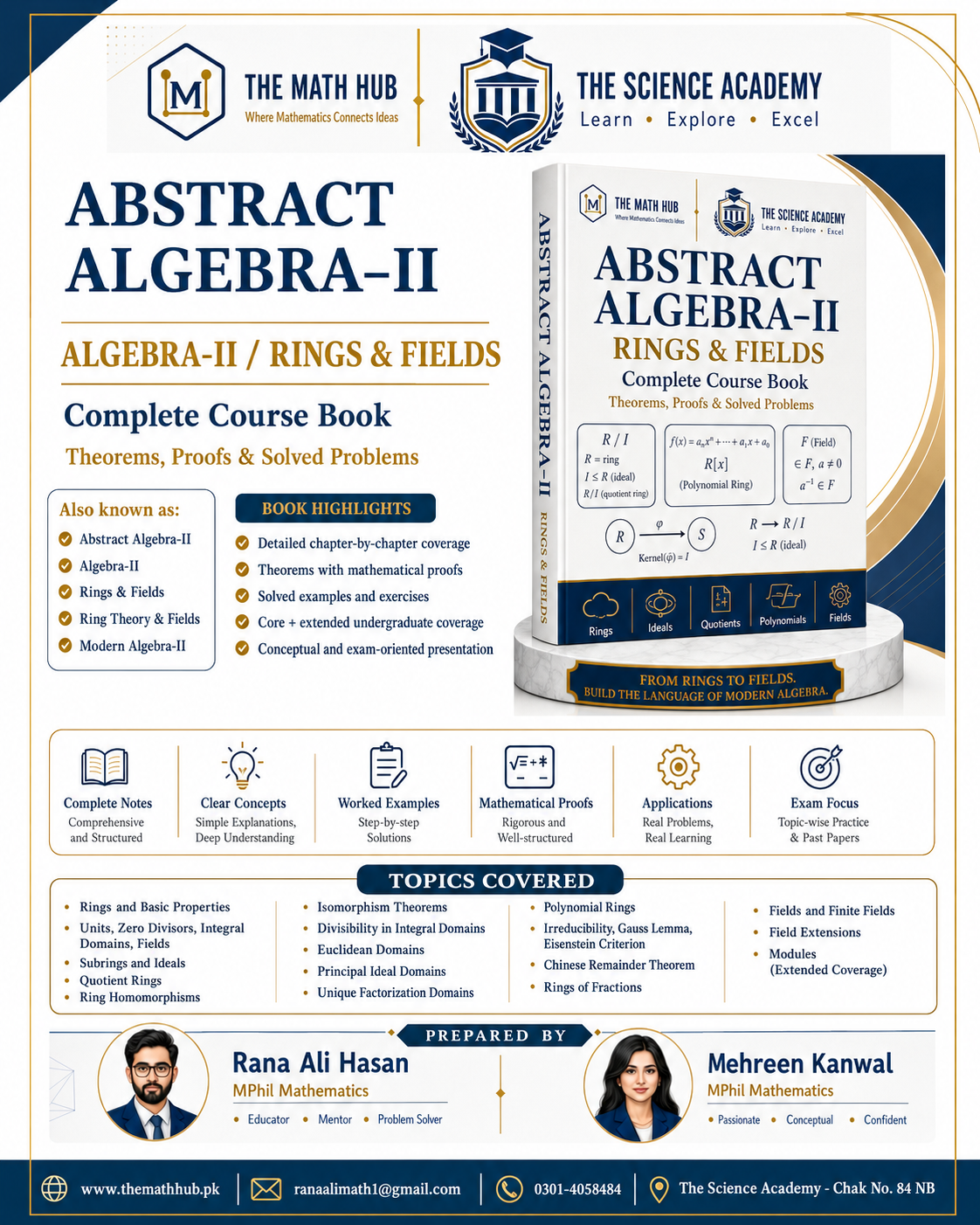
Explore groups, rings, fields and algebraic structures that unify arithmetic, symmetry and transformations. The emphasis may be theoretical, applied or computational depending on the programme, course level and learner's chosen specialization.
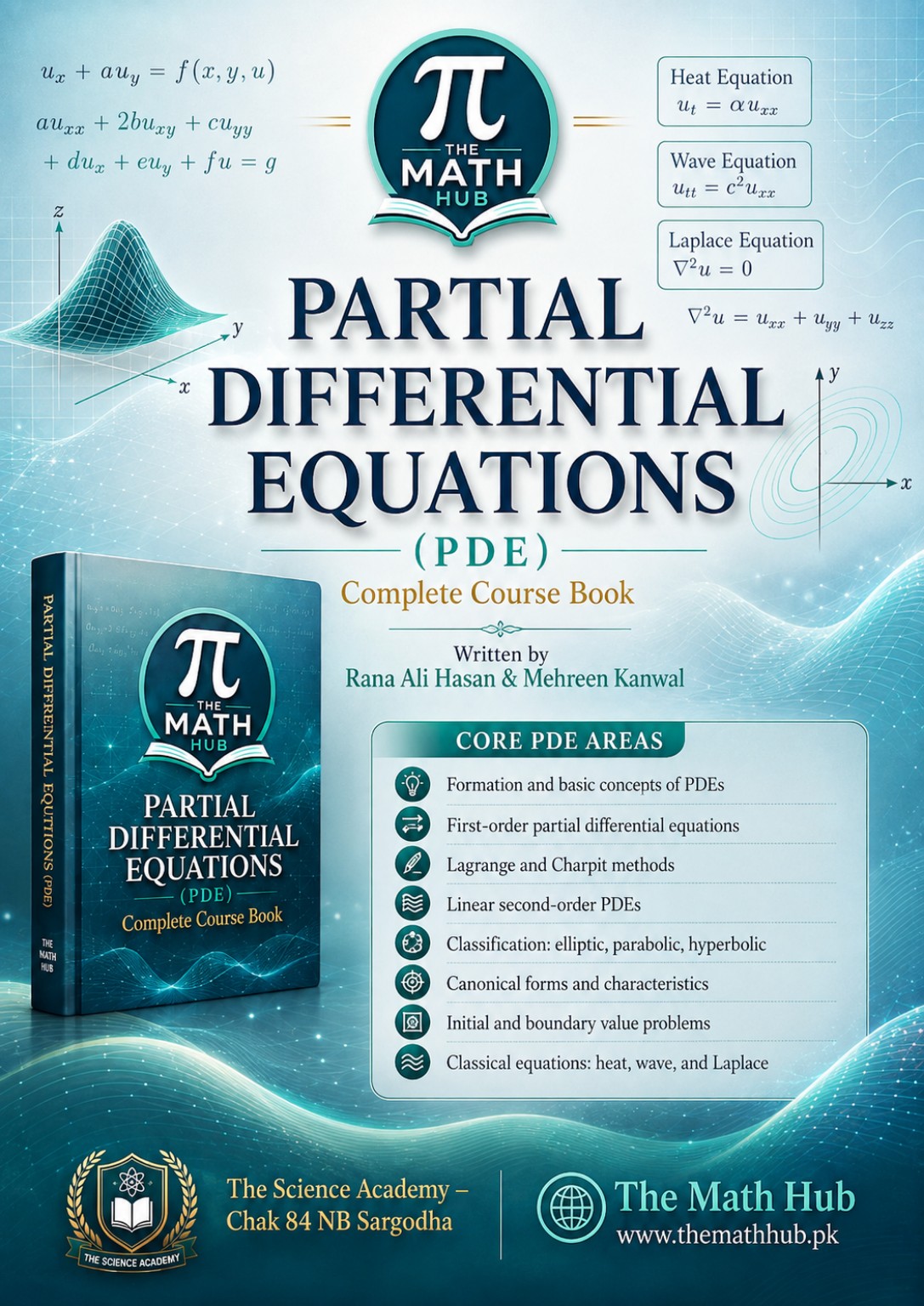
Browse related Library resources →Partial Differential Equations (PDE)
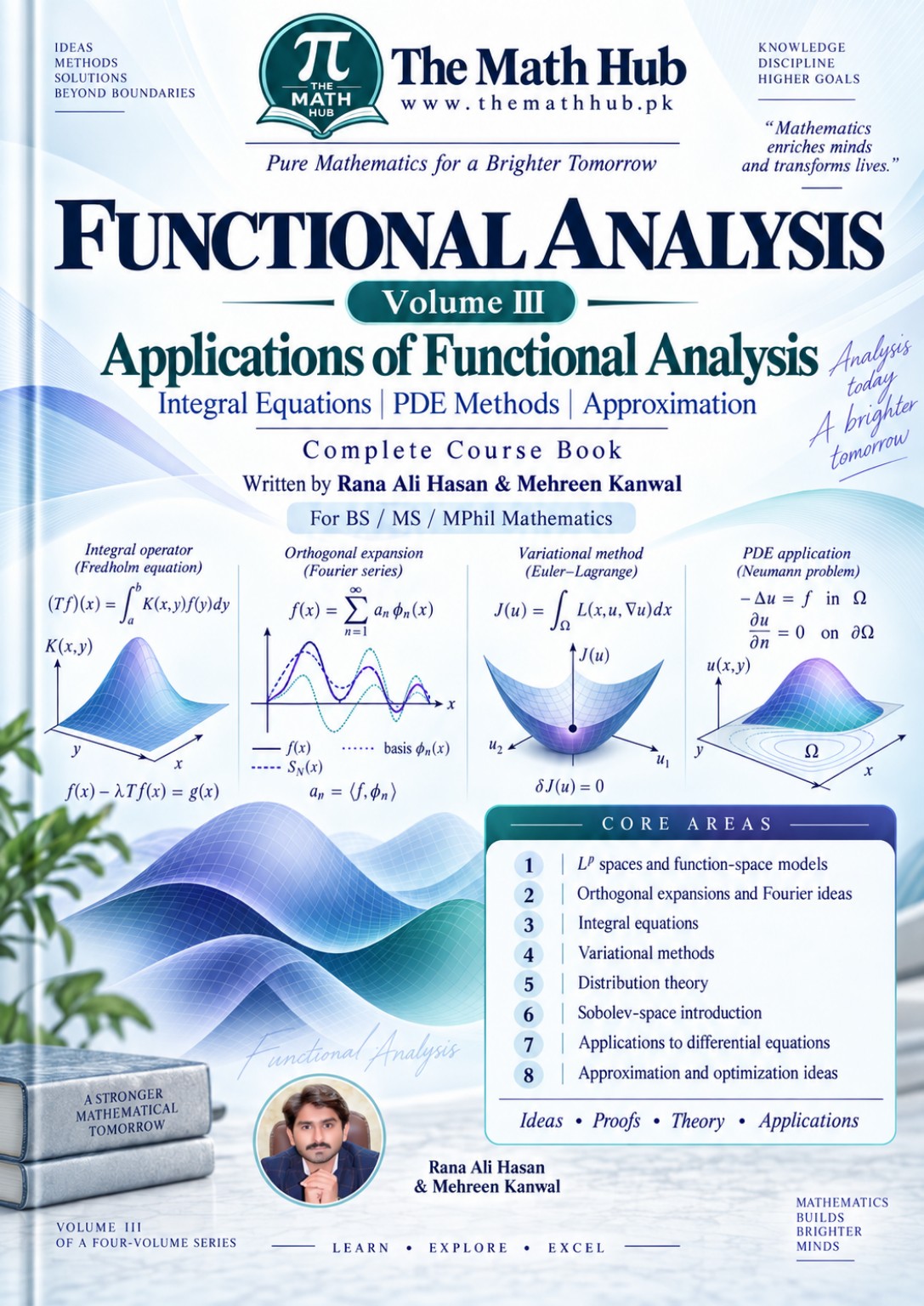
Study classical equations, boundary-value problems, transforms, numerical methods and the weak/variational bridge through one canonical course book. The emphasis may be theoretical, applied or computational depending on the programme, course level and learner's chosen specialization.
Browse related Library resources →Fluid Mechanics I / Fluid Dynamics I
Study mathematical fluid mechanics from hydrostatics and kinematics through continuity, Euler/Bernoulli flow, vorticity, complex potential and waves. The emphasis may be theoretical, applied or computational depending on the programme, course level and learner's chosen specialization.
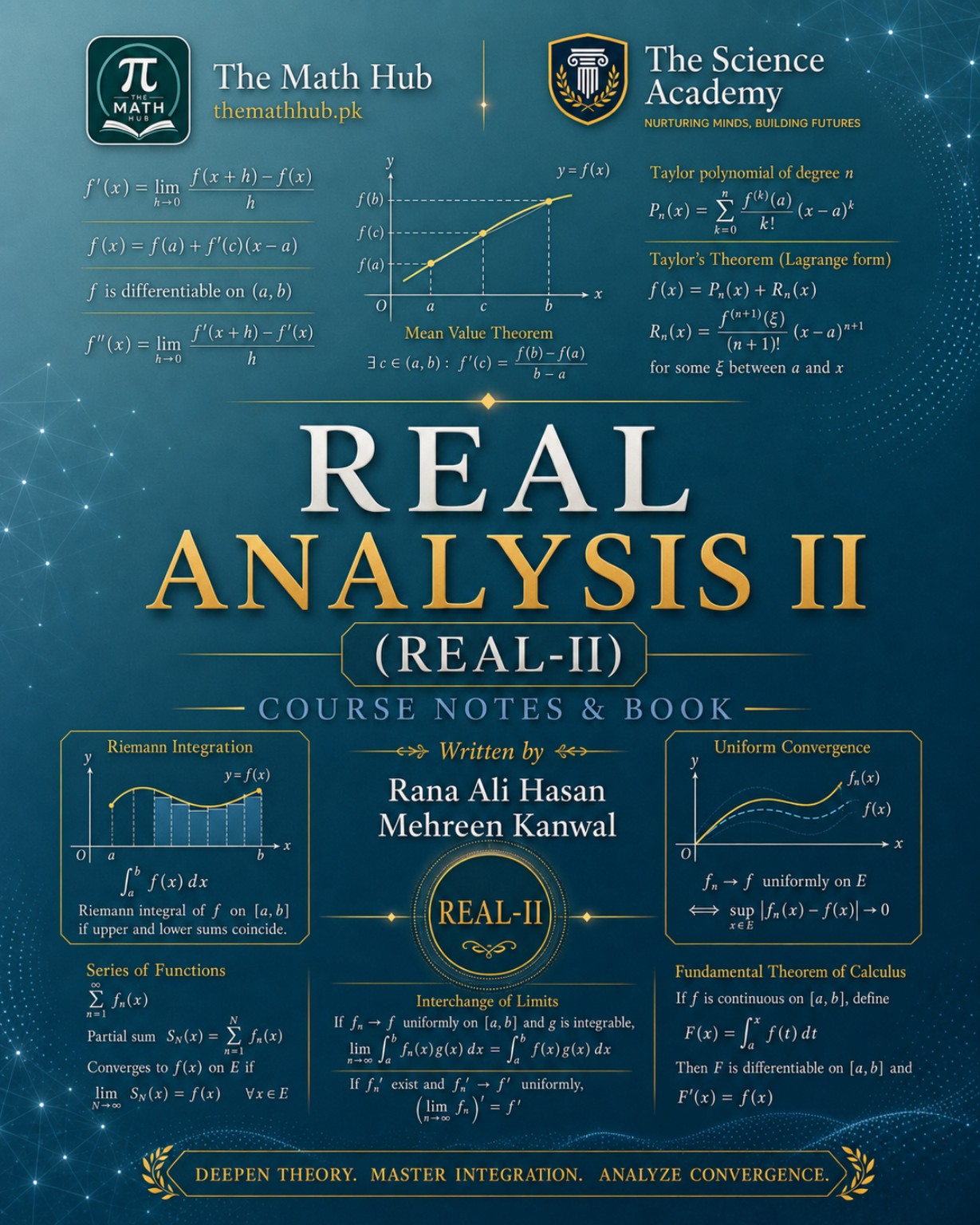
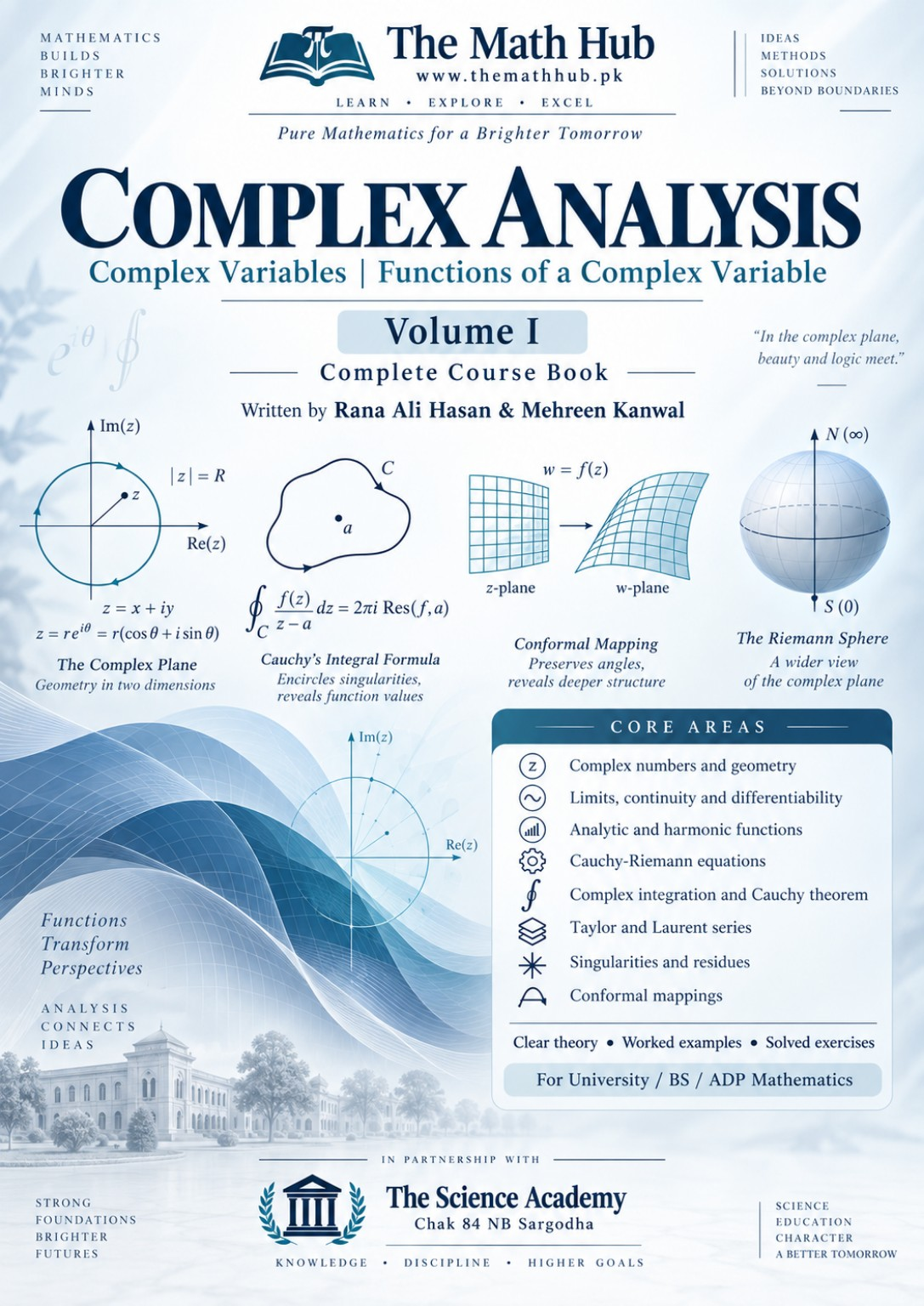
Browse related Library resources →Real and Complex Analysis
Build rigorous foundations for convergence, continuity, integration, metric spaces and complex functions. The emphasis may be theoretical, applied or computational depending on the programme, course level and learner's chosen specialization.
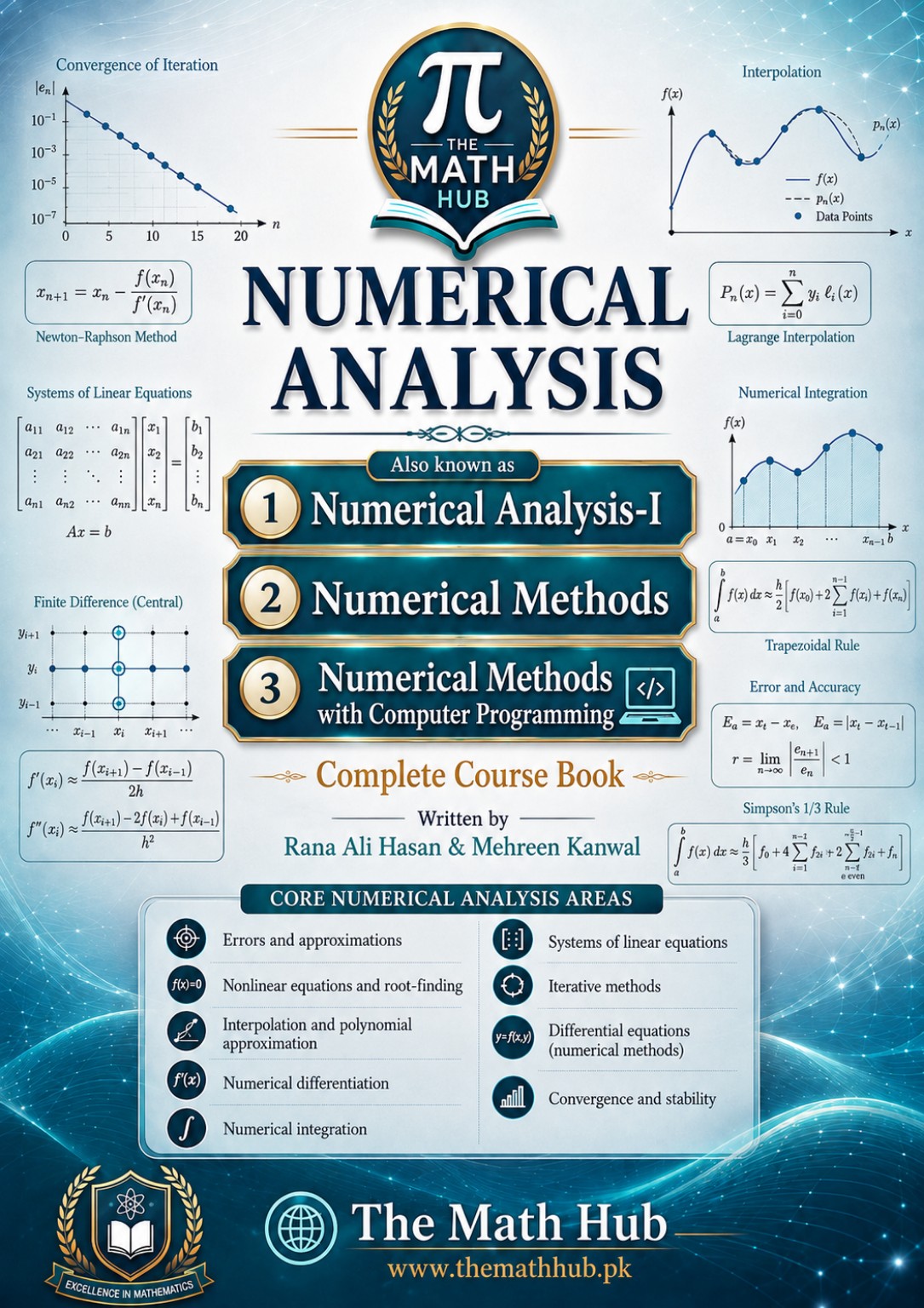
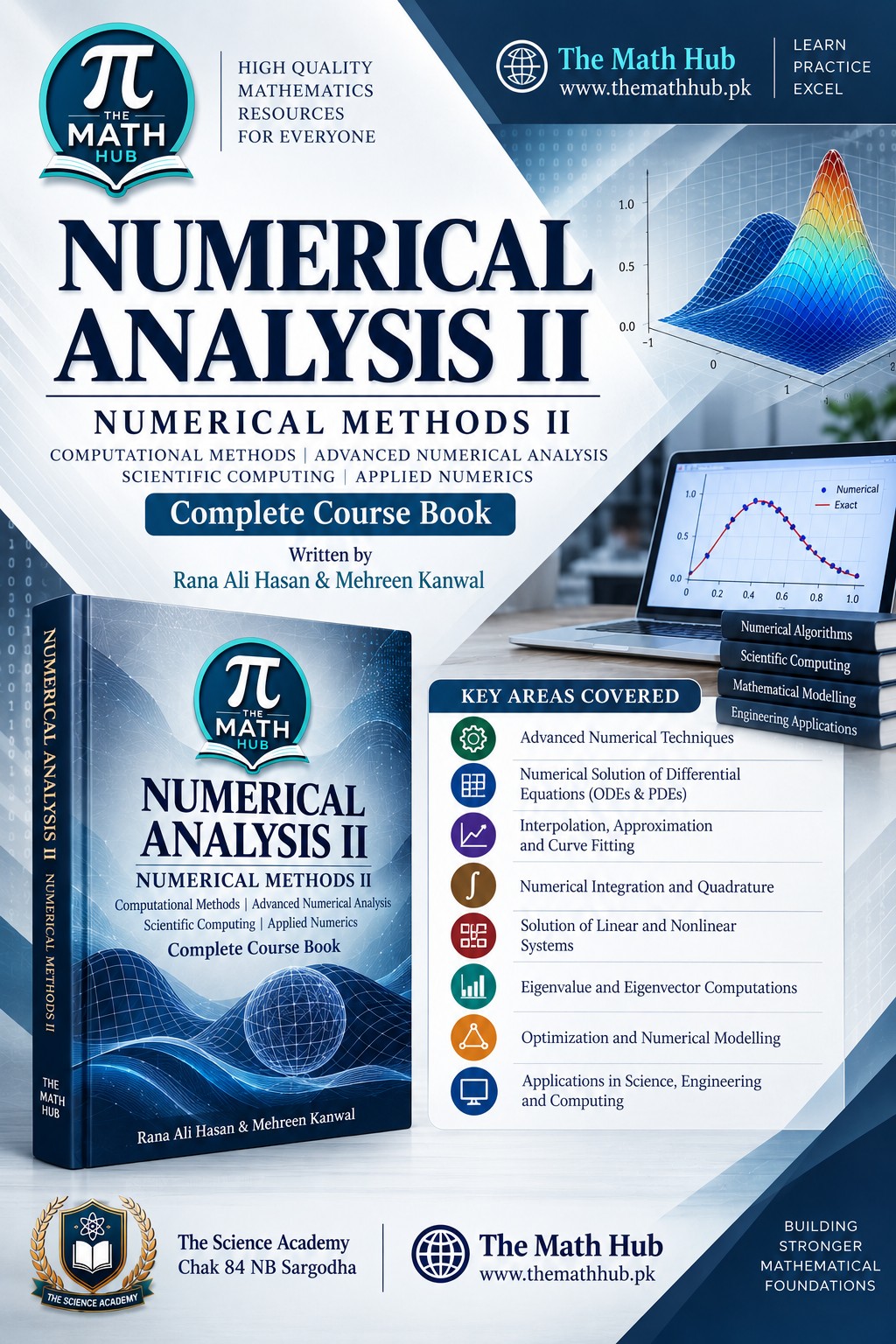
Browse related Library resources →Numerical Methods and Scientific Computing
Approximate mathematical problems, assess error and use computation as a transparent support for reasoning. The emphasis may be theoretical, applied or computational depending on the programme, course level and learner's chosen specialization.
Browse related Library resources →Topology, Geometry and Mathematical Physics
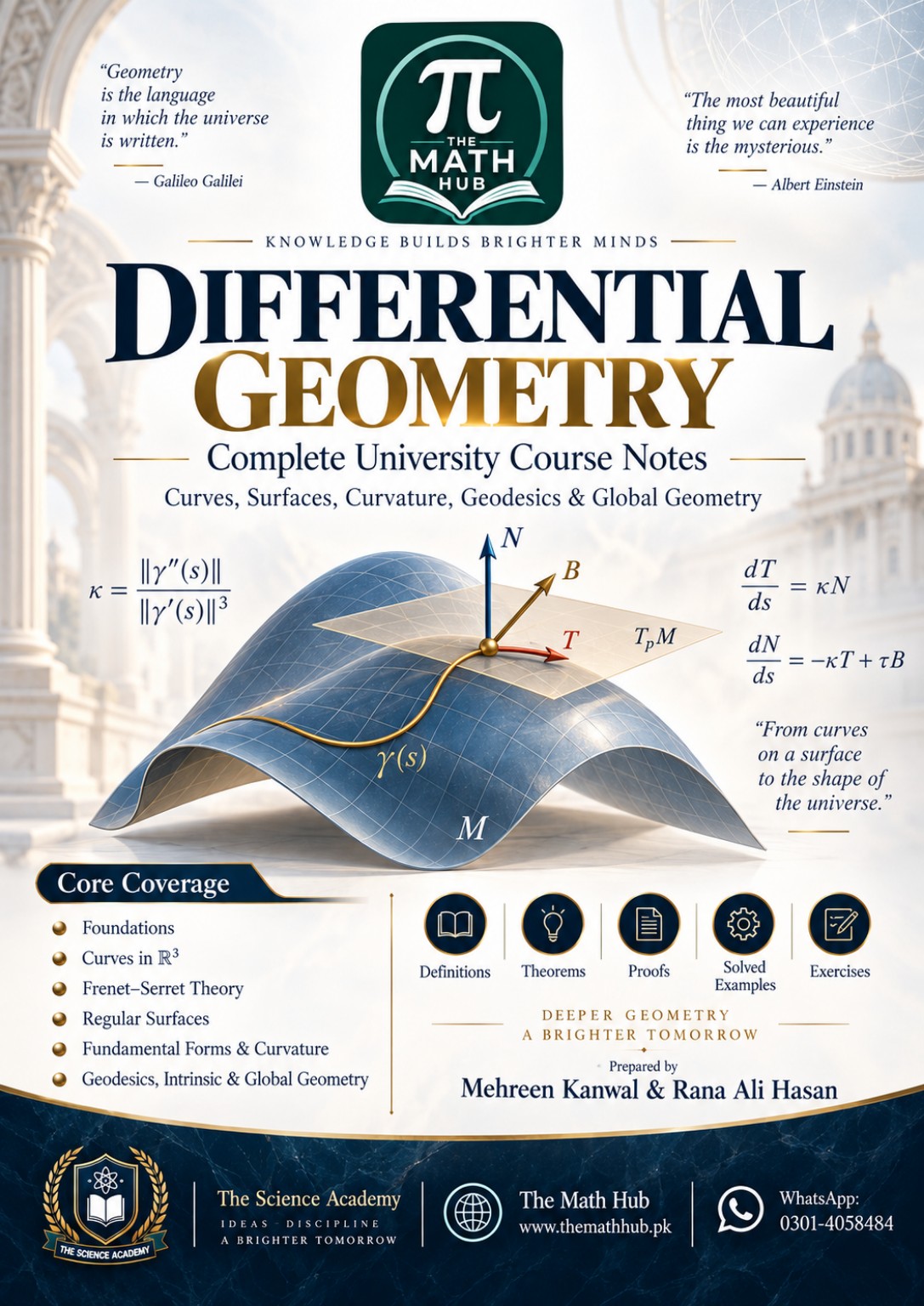
Extend analysis and algebra to spaces, shapes, curvature and mathematical models of physical phenomena. The emphasis may be theoretical, applied or computational depending on the programme, course level and learner's chosen specialization.
Browse related Library resources →Probability, Statistics and Research Methods
Work with uncertainty, data, modelling, scholarly communication and the design of a defensible mathematical investigation. The emphasis may be theoretical, applied or computational depending on the programme, course level and learner's chosen specialization.
Browse related Library resources →Which subjects are common in BS Mathematics?
Calculus, linear algebra, discrete mathematics, analysis, algebra, differential equations, probability or statistics and computing are common subject families, but each university approves its own scheme.
What is studied in Real Analysis?
Real Analysis develops rigorous ideas of sequences, limits, continuity, convergence, differentiation, integration and the structures that support advanced mathematics.
How do MSc and MS Mathematics differ?
The distinction depends on the institution. An MSc may be course-led, while an MS is often more research-oriented; check the official programme and thesis requirements.
Where can I find research and thesis support?
Use the research Library shelf, the existing Mathematics Software & Tools page and your institution’s supervisor or research office for approved direction.